We are processing your request.
Please, don't close or refresh the page.

Uffizi Galleries: Tickets and Info

This website offers official tickets for this venue. Please note, however, that it is not the official website of the venue.
Smartphone tickets

Smartphone tickets

Everything you need, right in your pocket!
Why wait?

Why wait?

Skip the line and get priority access
Instant confirmation

Instant confirmation

Receive your tickets seconds after your purchase

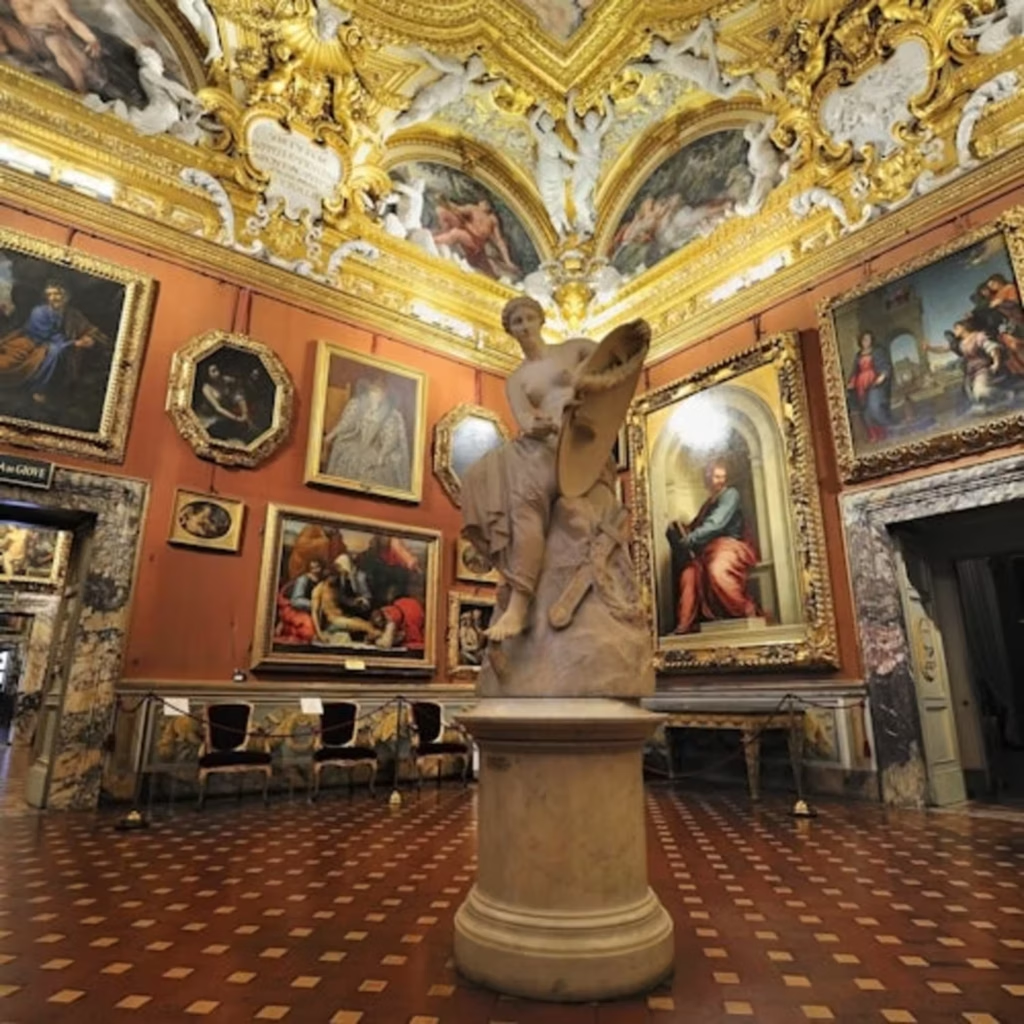
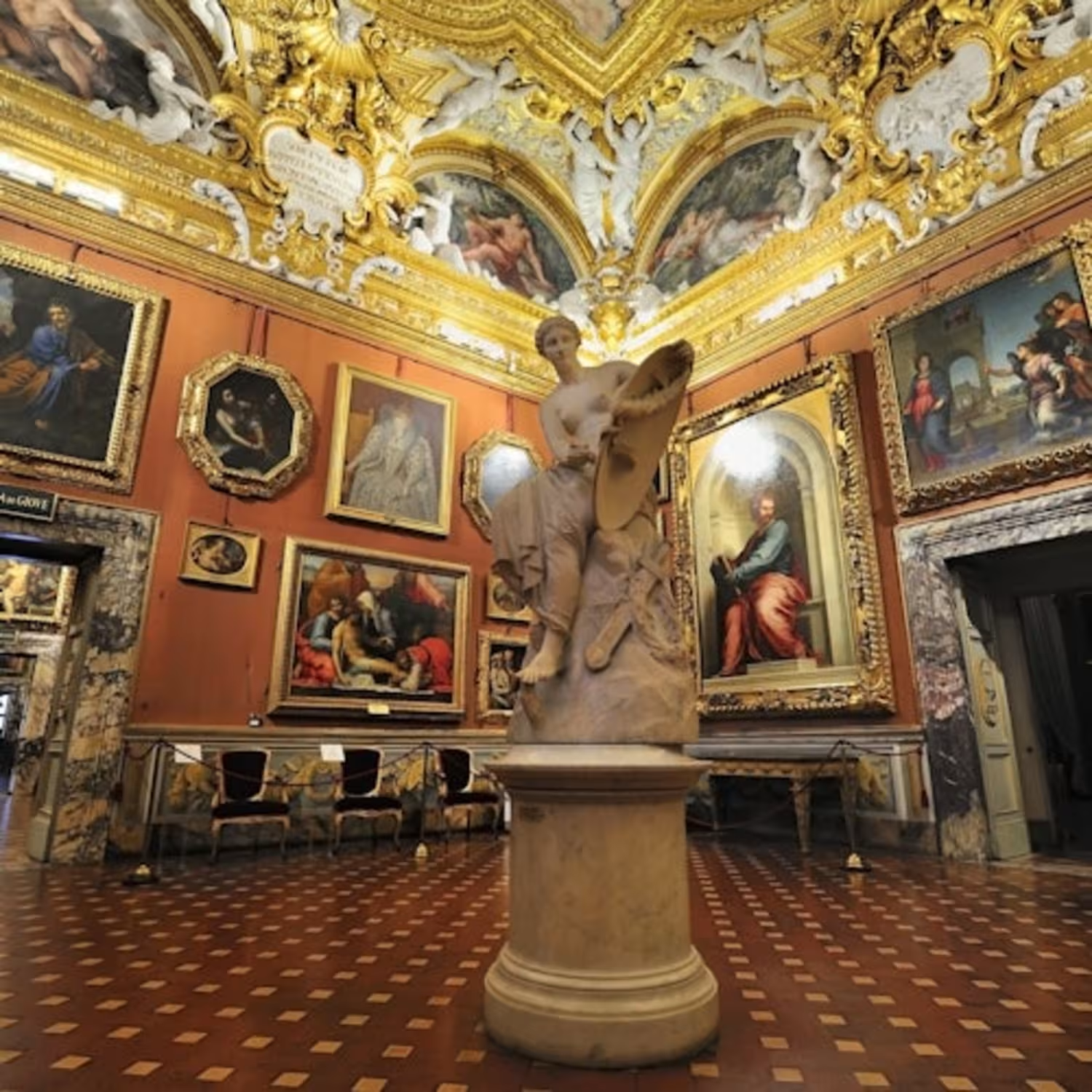
Uffizi Gallery, Pitti Palace and Boboli Gardens: Reserved entrance + Audio guide

Highlights

Skip the lines at the Uffizi Gallery, Palazzo Pitti, and Boboli Gardens.

Explore Florence’s premier Renaissance art collections and exquisite gardens.

Use a downloadable audio guide available in multiple languages.

Visit these top sites over a span of five consecutive days.

Gain admission to additional cultural venues included in the museum passport.

Uffizi Gallery: Priority entrance ticket

Highlights

Skip long queues and enter the renowned Uffizi Gallery without delay.

Explore the world’s finest Renaissance art collection, including eight dedicated rooms featuring Caravaggio’s masterpieces.

Enhance your visit with an audio guide available in multiple languages.

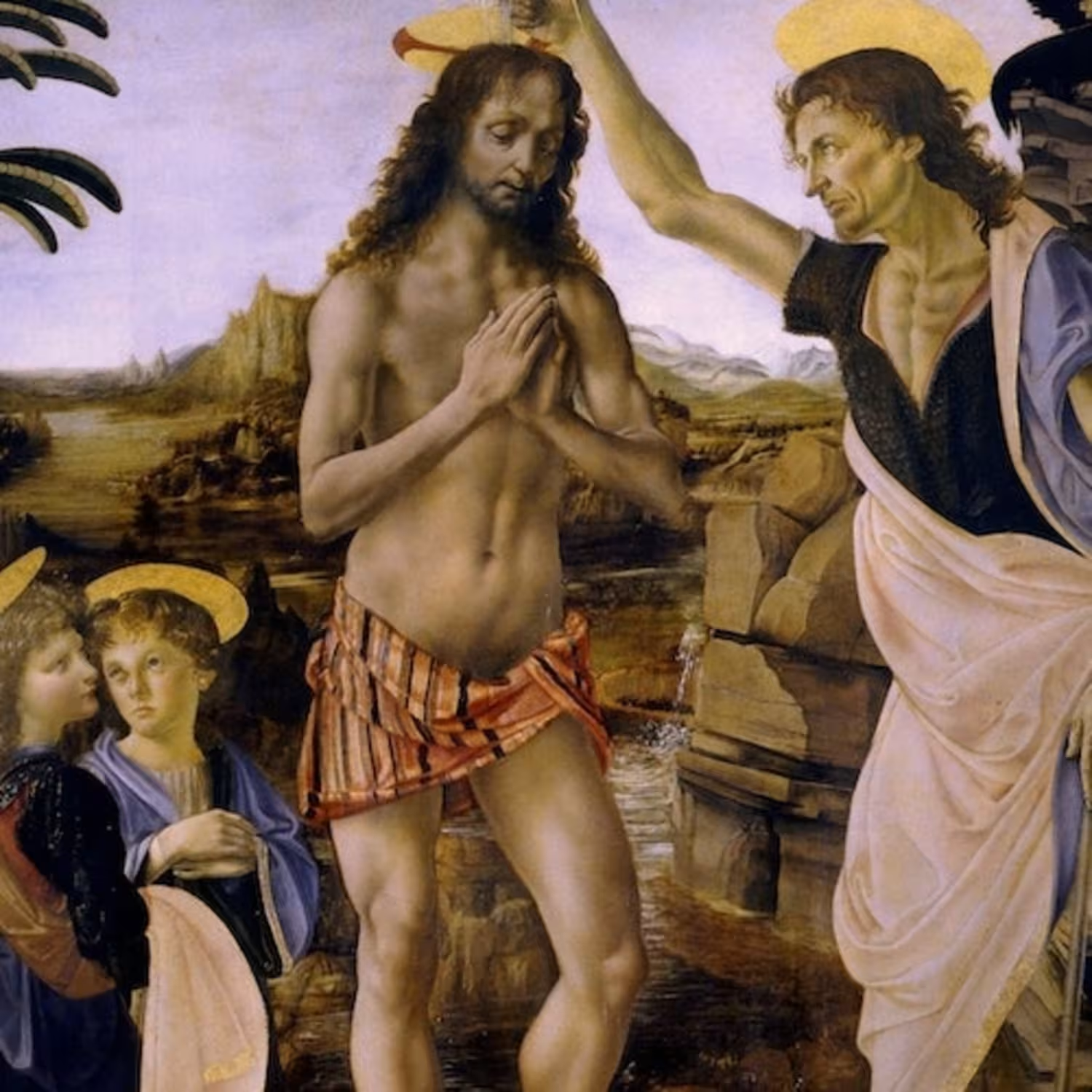
Discover iconic works by artists such as Raphael, Michelangelo, and Botticelli.

Enjoy flexible entry times assigned near your preferred schedule.

Uffizi: Semi-private guided tour

Highlights

Discover masterpieces by Botticelli, Michelangelo, and Da Vinci.

Explore various rooms showcasing sculptures, paintings, and historical objects.

Enjoy insights from a live guide available in multiple languages.

Small to medium group tours with a maximum of 25 participants.

Use provided headsets for clear audio during the tour.

Uffizi Galleries, Florence

The Uffizi Galleries in Florence stand as a timeless treasure trove of Western art, housing masterpieces by some of history’s most celebrated artists. This iconic museum offers visitors an unparalleled journey through centuries of artistic achievement within a stunning architectural setting. To experience this cultural landmark firsthand, securing your tickets in advance is highly recommended. Explore the available ticket options today and prepare for an unforgettable visit to the Uffizi Galleries.

About the Uffizi Galleries

The Uffizi Galleries in Florence stand as a testament to centuries of Western art and cultural history. This iconic museum offers visitors an unparalleled experience through its extensive collections featuring masterpieces by some of the most celebrated artists in history.

Beyond the artwork, the architectural elegance of the Uffizi itself enriches every visit, making it a must-see destination for art enthusiasts and cultural travelers alike. The galleries continuously draw global attention as a vibrant hub of artistic heritage, showcasing Western art’s evolution from the Renaissance to more contemporary periods.

Number of Annual Visitors: Approximately 2 million

Founded: Construction began in 1560, with the galleries officially established in the 18th century

Total Exhibition Space: Approximately 13,000 square meters

Number of Rooms: 101

Why Visit the Uffizi Galleries?

The World’s Premier Collection of Italian Renaissance Art

The museum houses the most extensive collection of Italian Renaissance masterpieces globally, featuring foundational works by Giotto, Masaccio, and Piero della Francesca. Visitors can witness the transition from Gothic stylings to the revolutionary perspective and humanism that defined the Florentine Renaissance.

Iconic Masterpieces by Sandro Botticelli

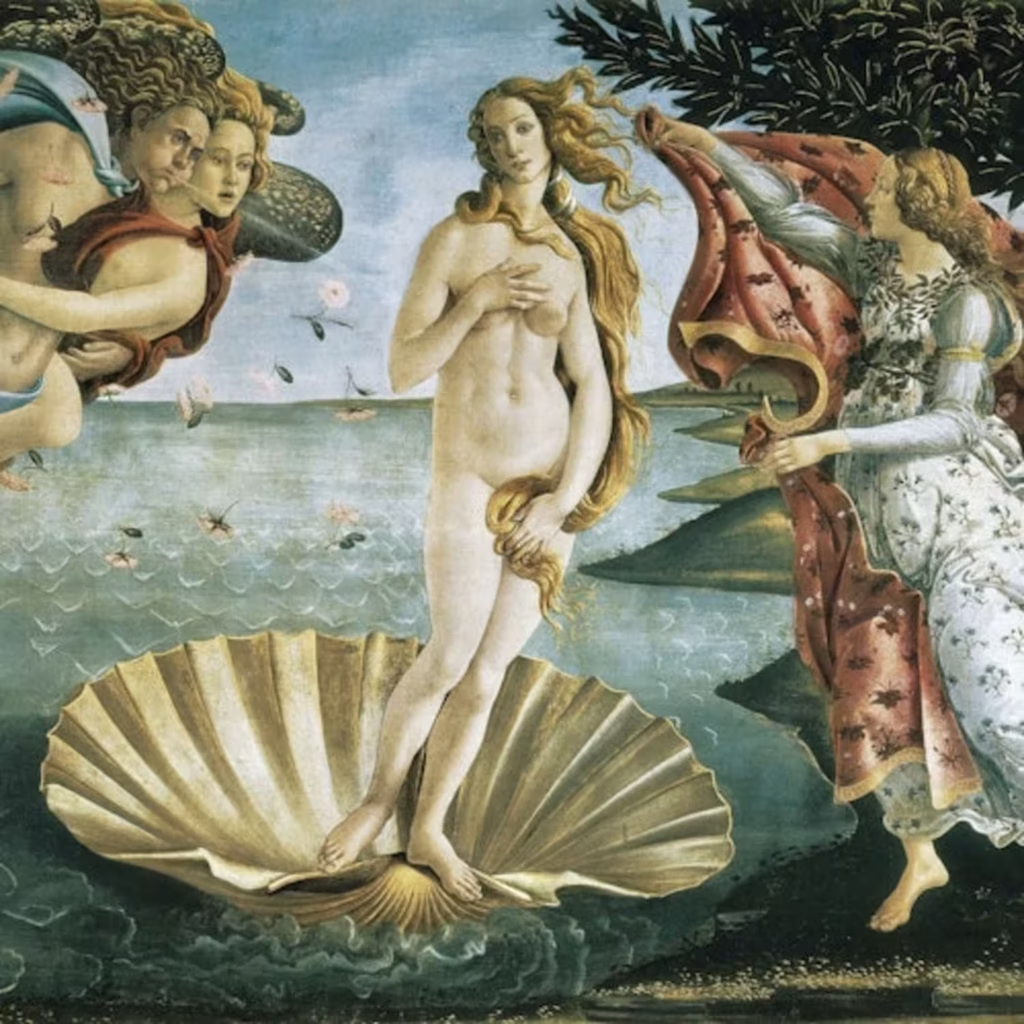
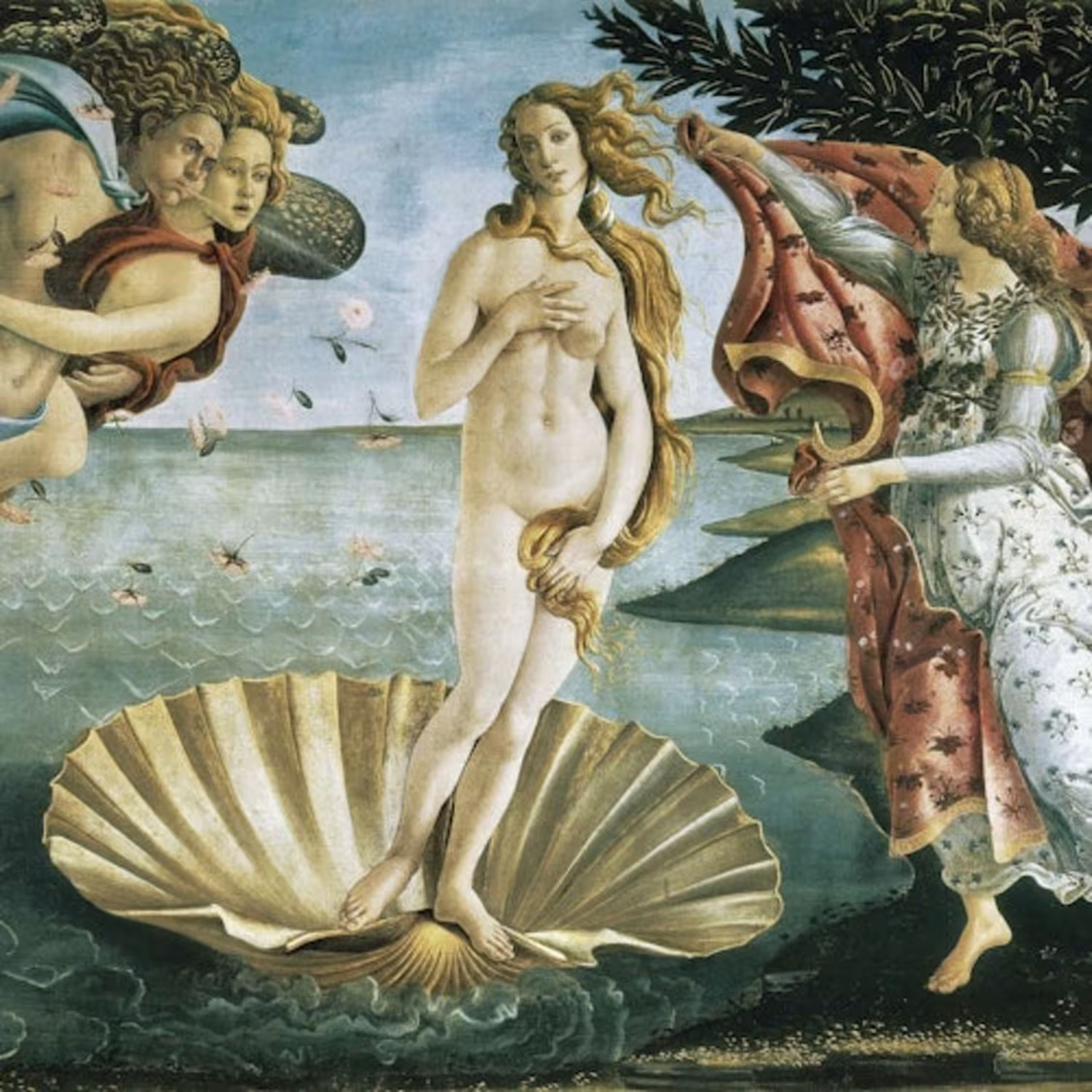
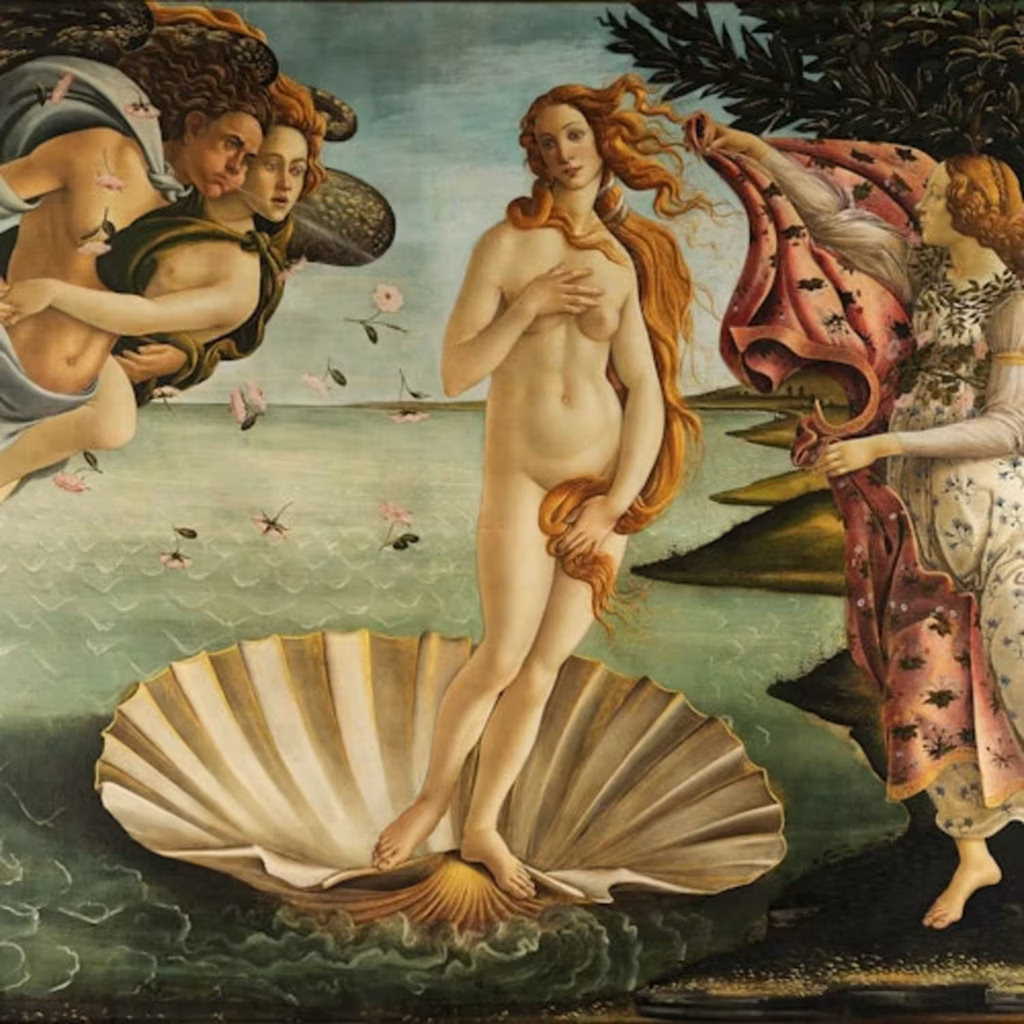
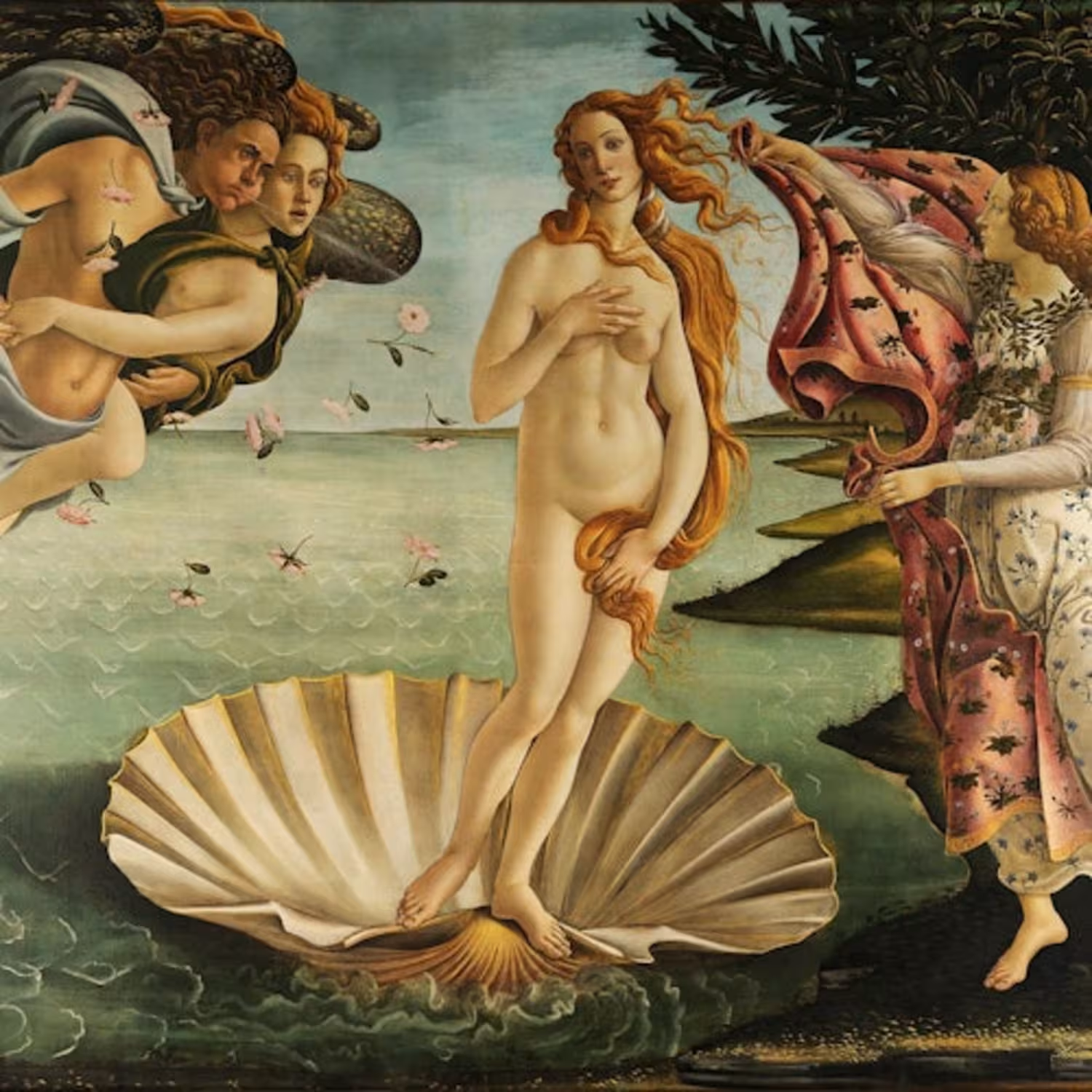
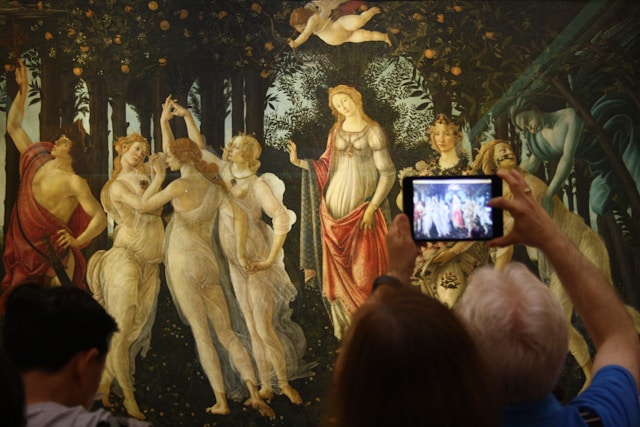
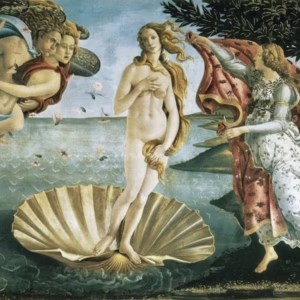
The Uffizi is the only place in the world to see Botticelli’s most famous large-scale mythological paintings, The Birth of Venus and Primavera, displayed in their original context. These rooms allow for a close study of the delicate linework and complex allegories that made Botticelli a favorite of the Medici family.

Architectural History and the Vasari Corridor

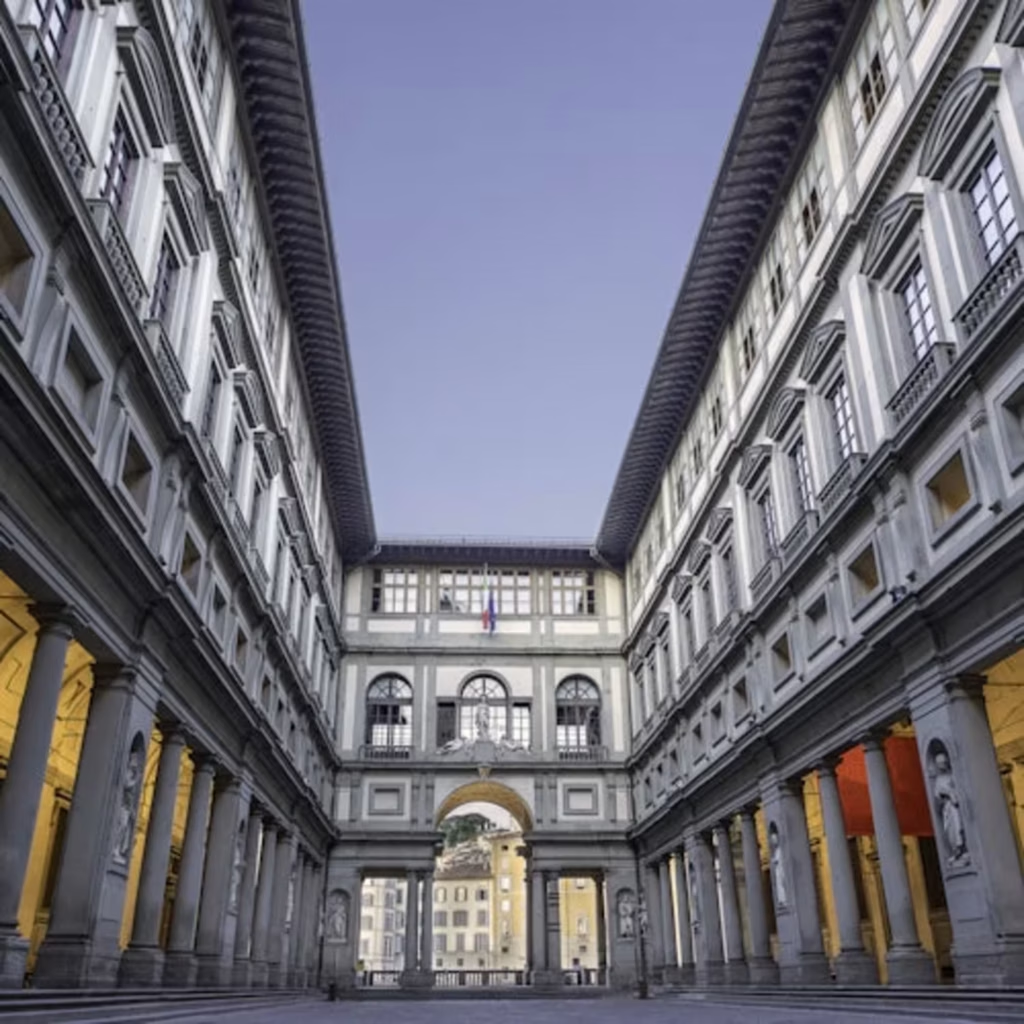
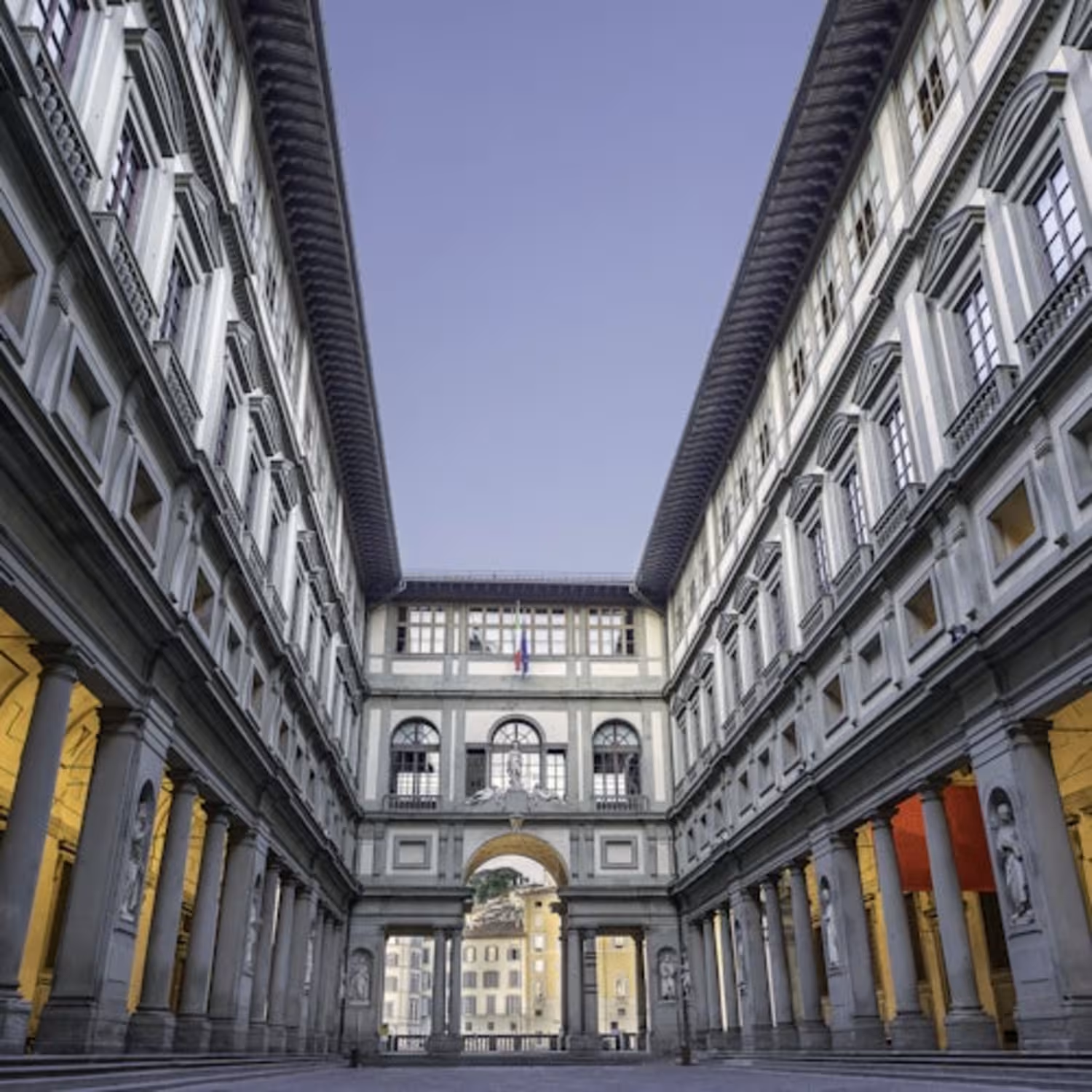
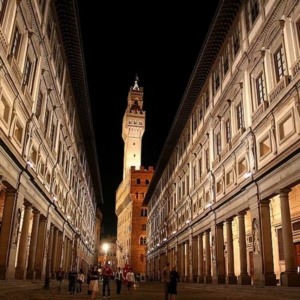
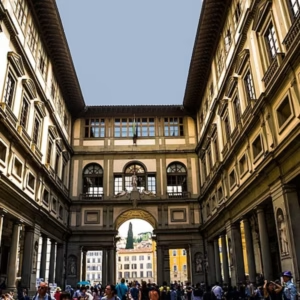
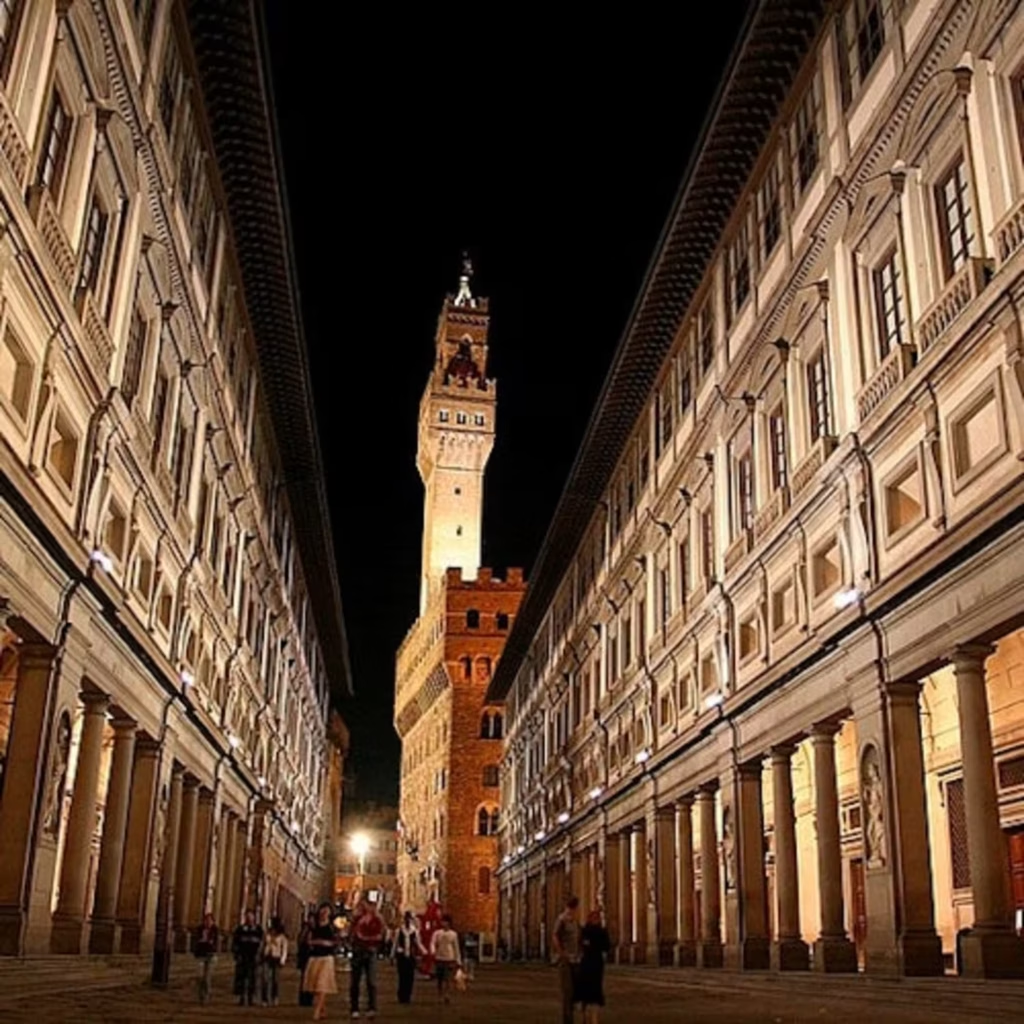
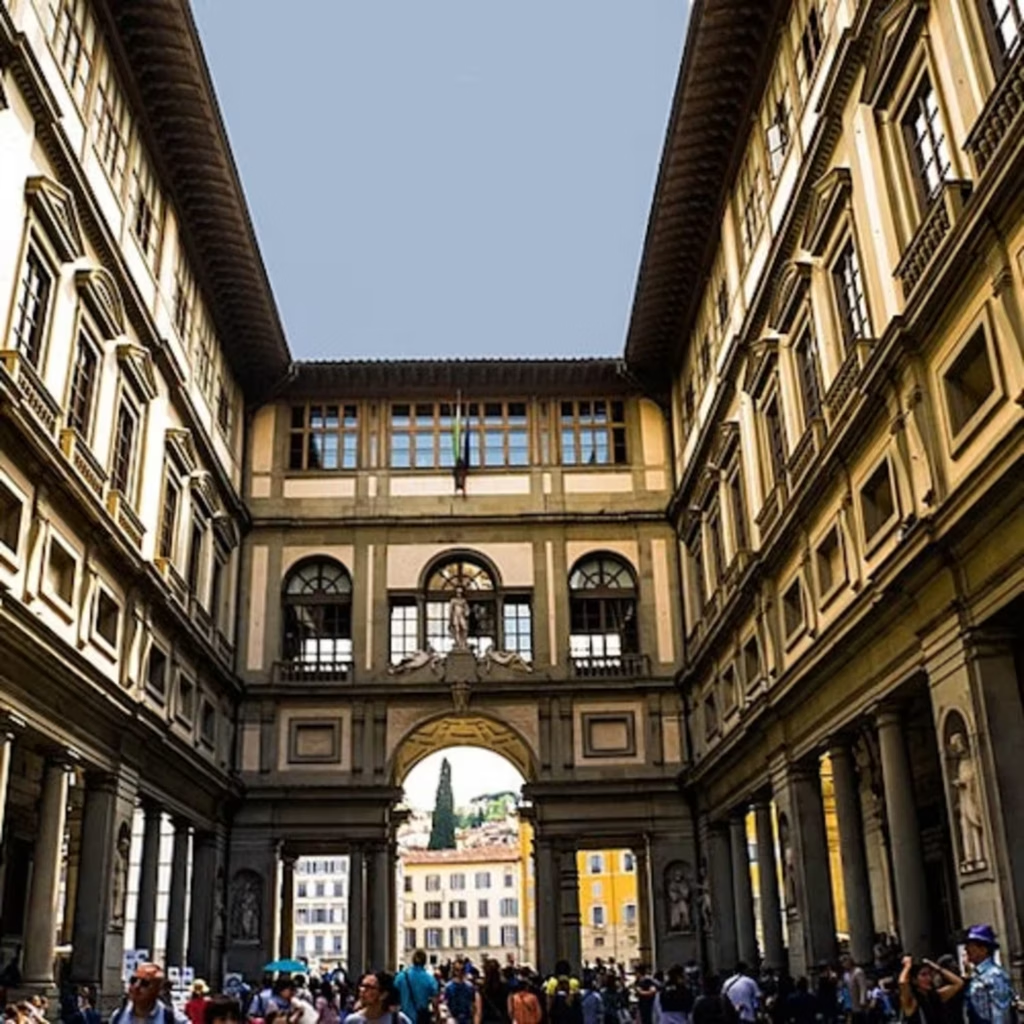
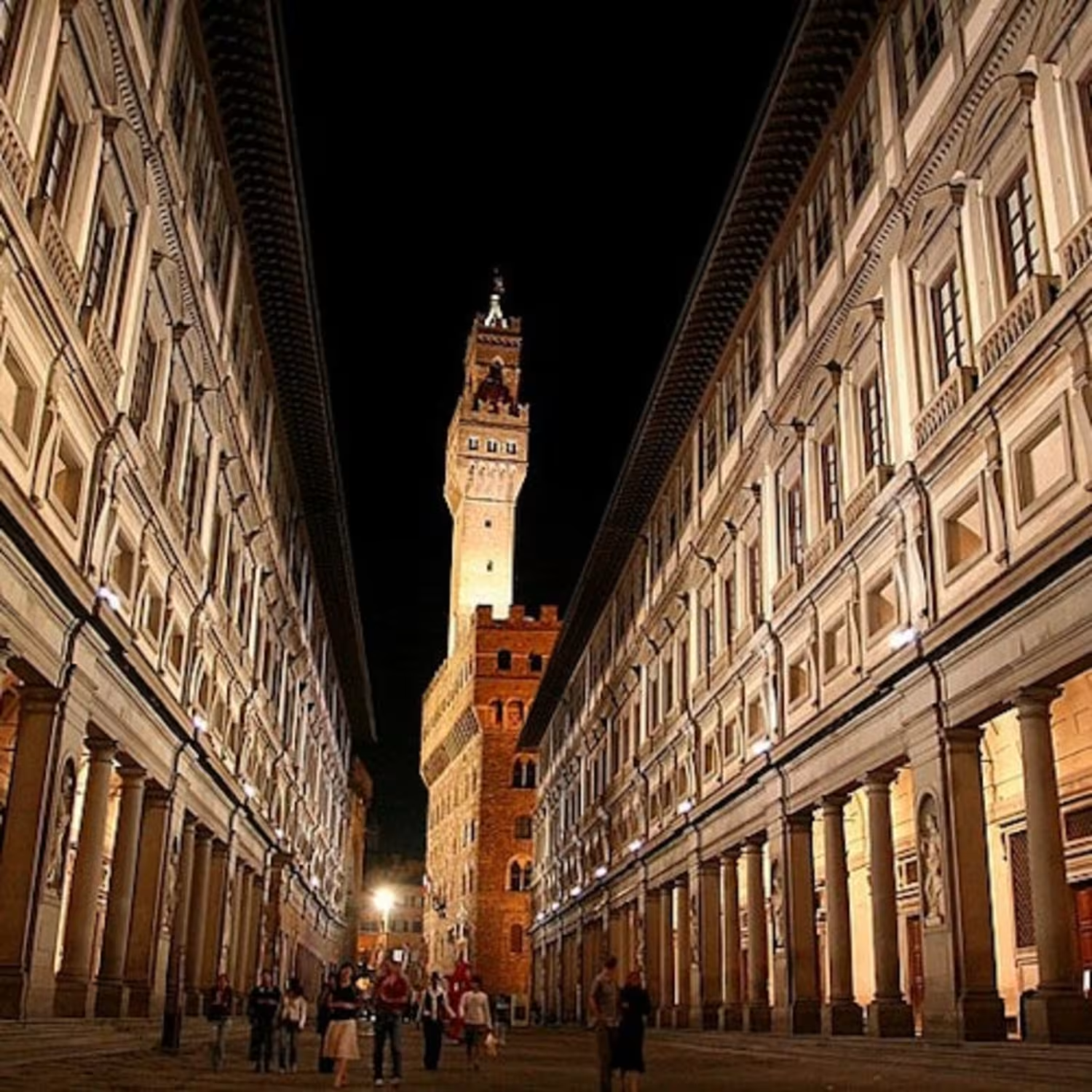
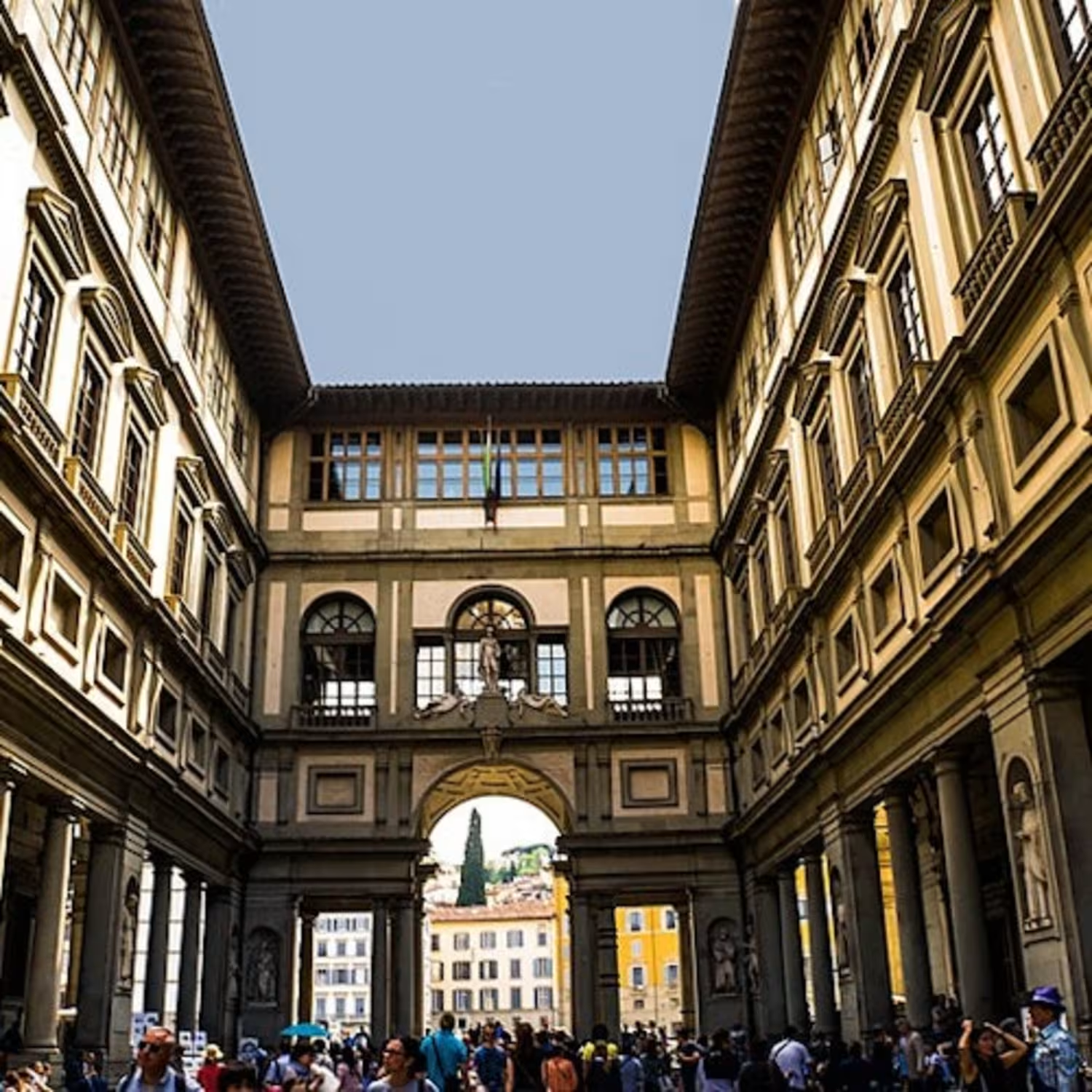
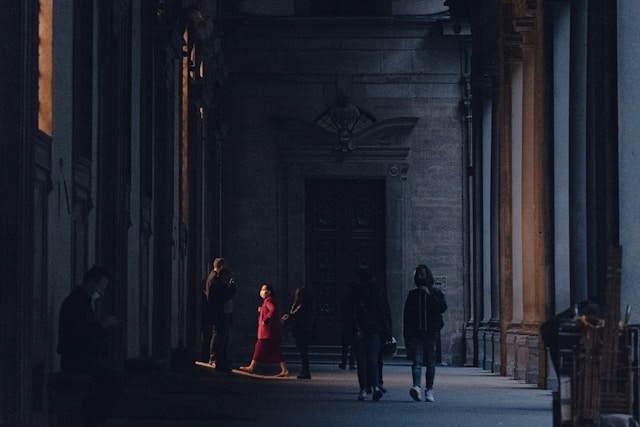
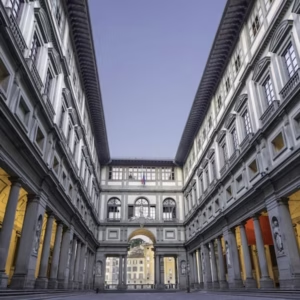
Designed by Giorgio Vasari in 1560 for Cosimo I de' Medici, the building itself is a masterpiece of Mannerist architecture. The U-shaped complex was originally built to house the administrative offices of the Florentine State and features the historic Vasari Corridor, which connects the gallery to the Pitti Palace.

A Concentration of High Renaissance Geniuses

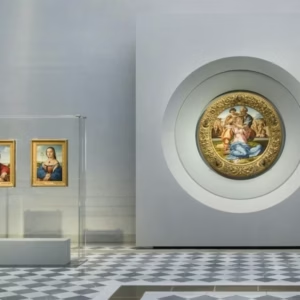
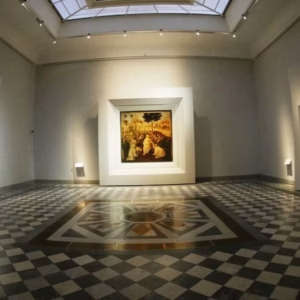
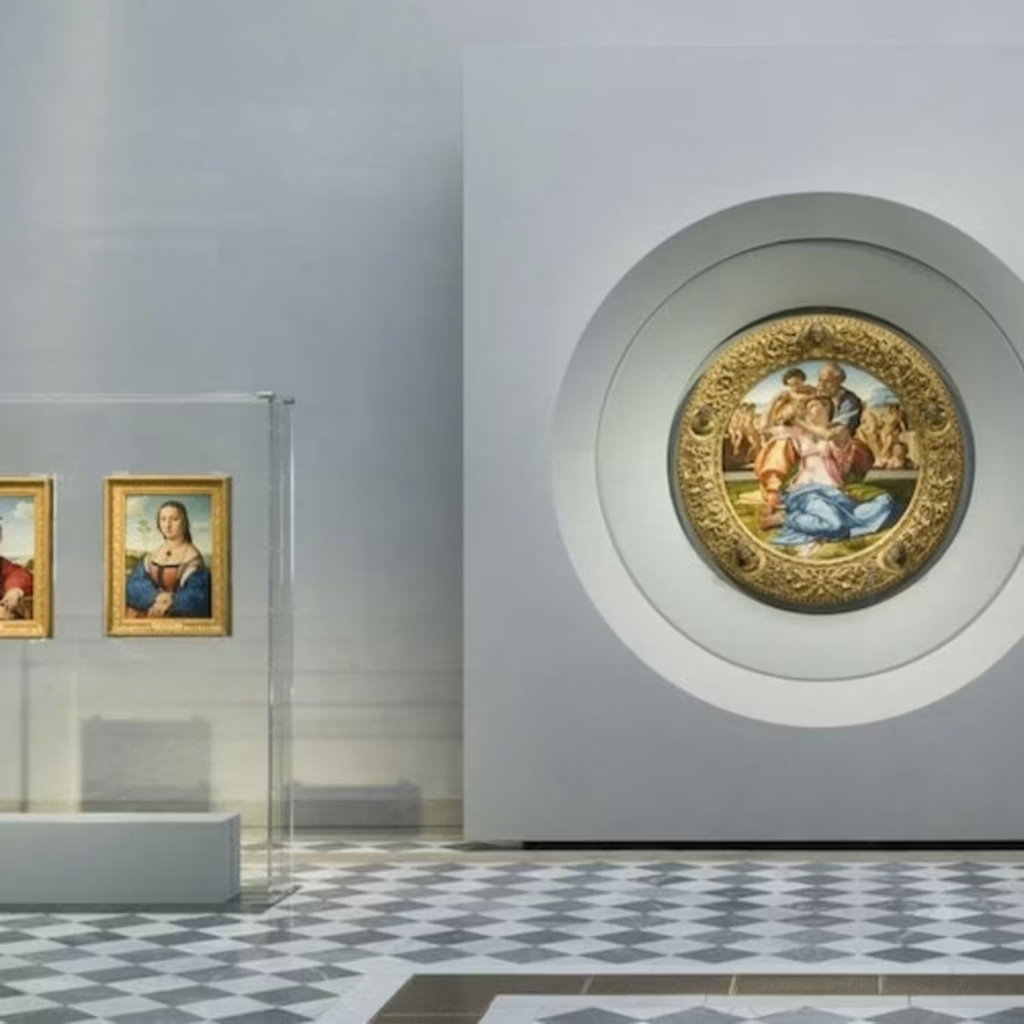
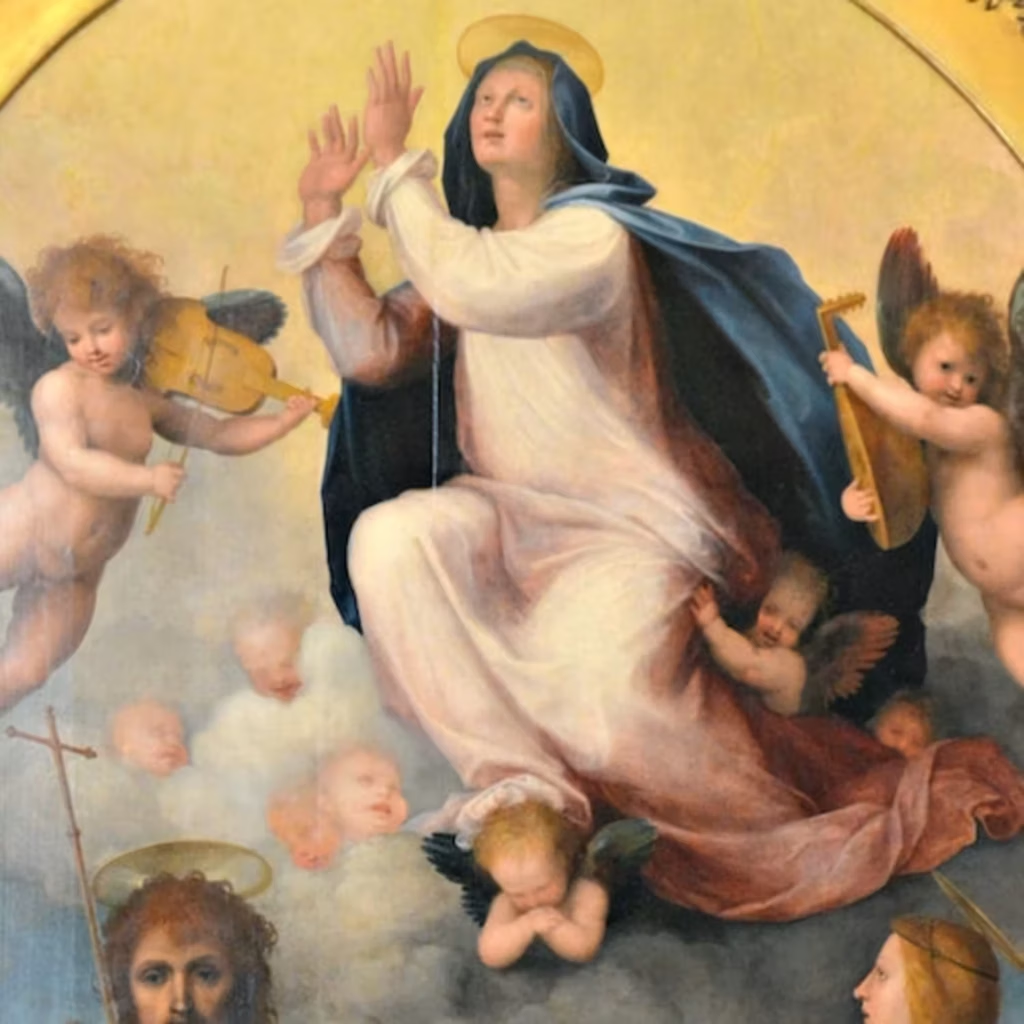
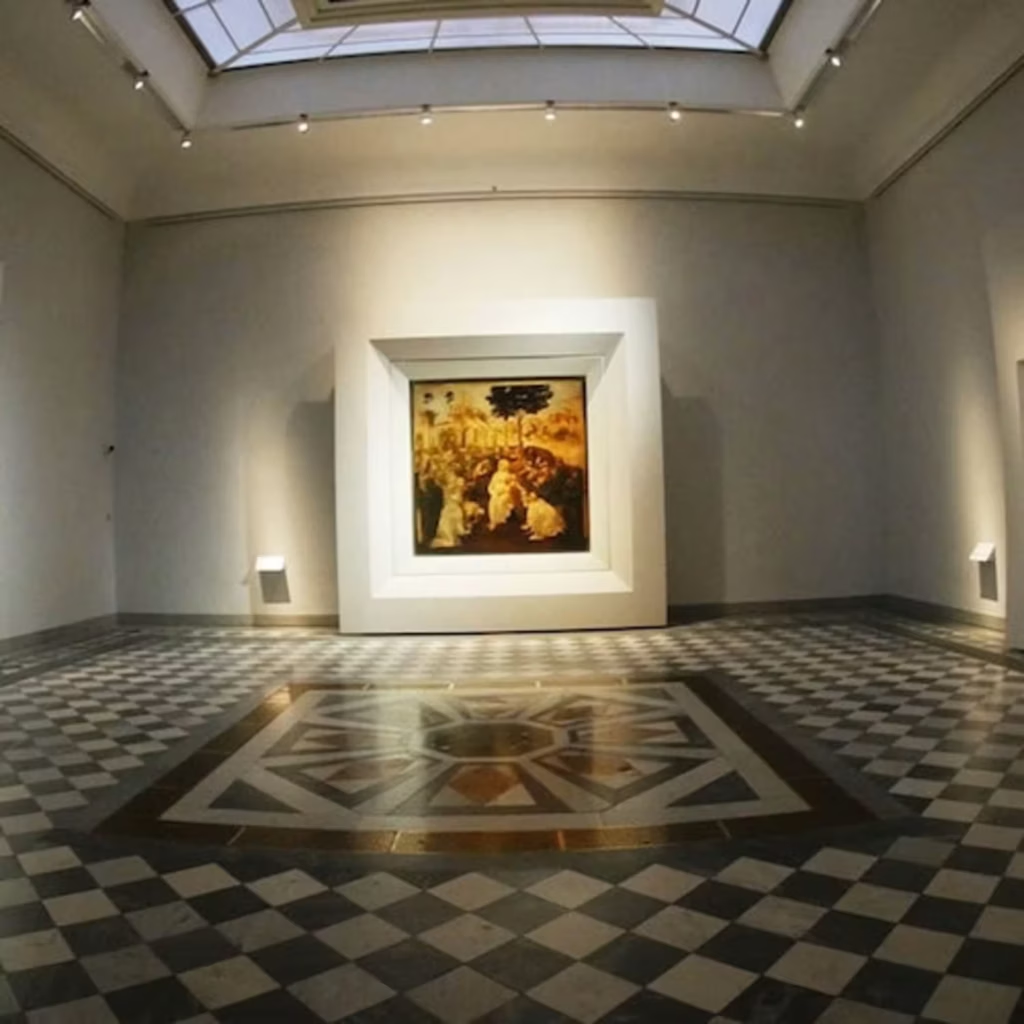
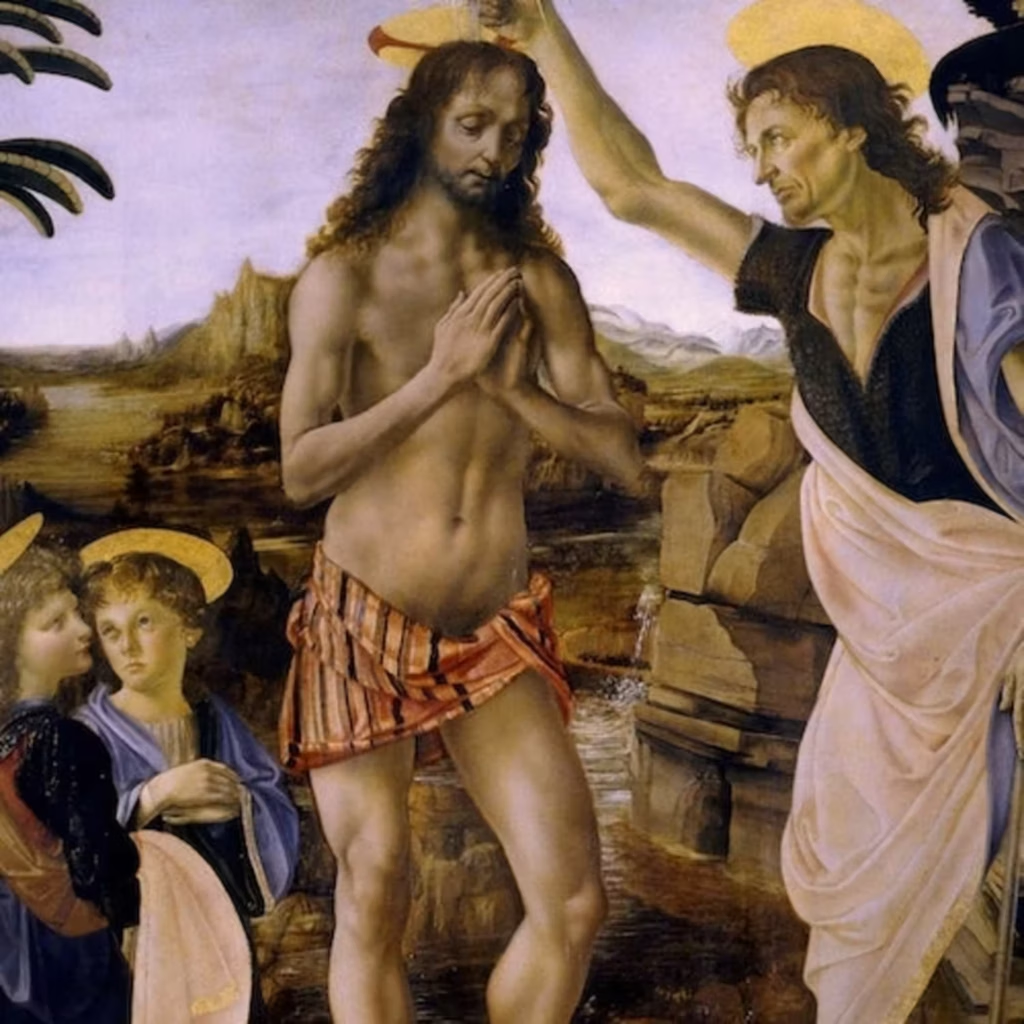
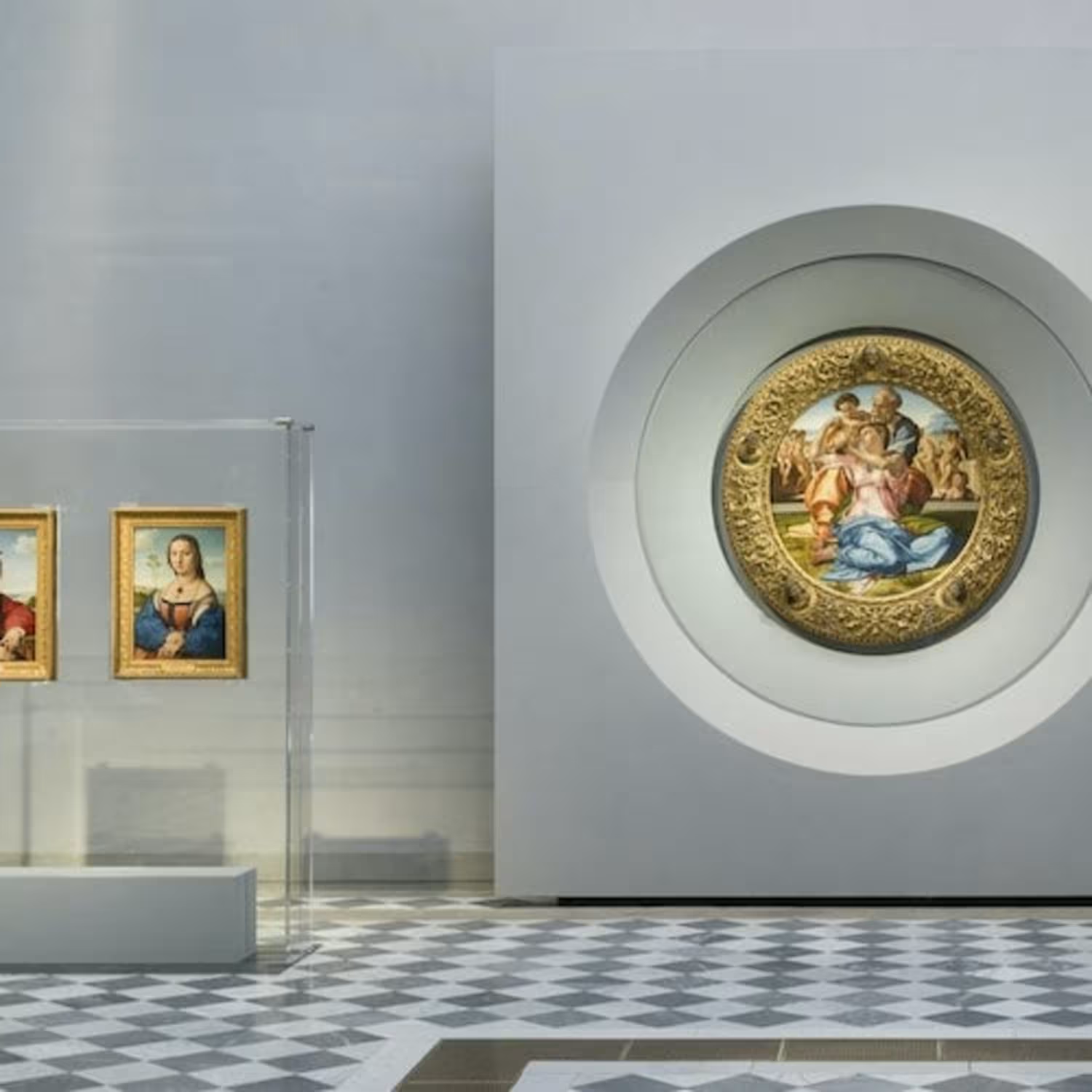
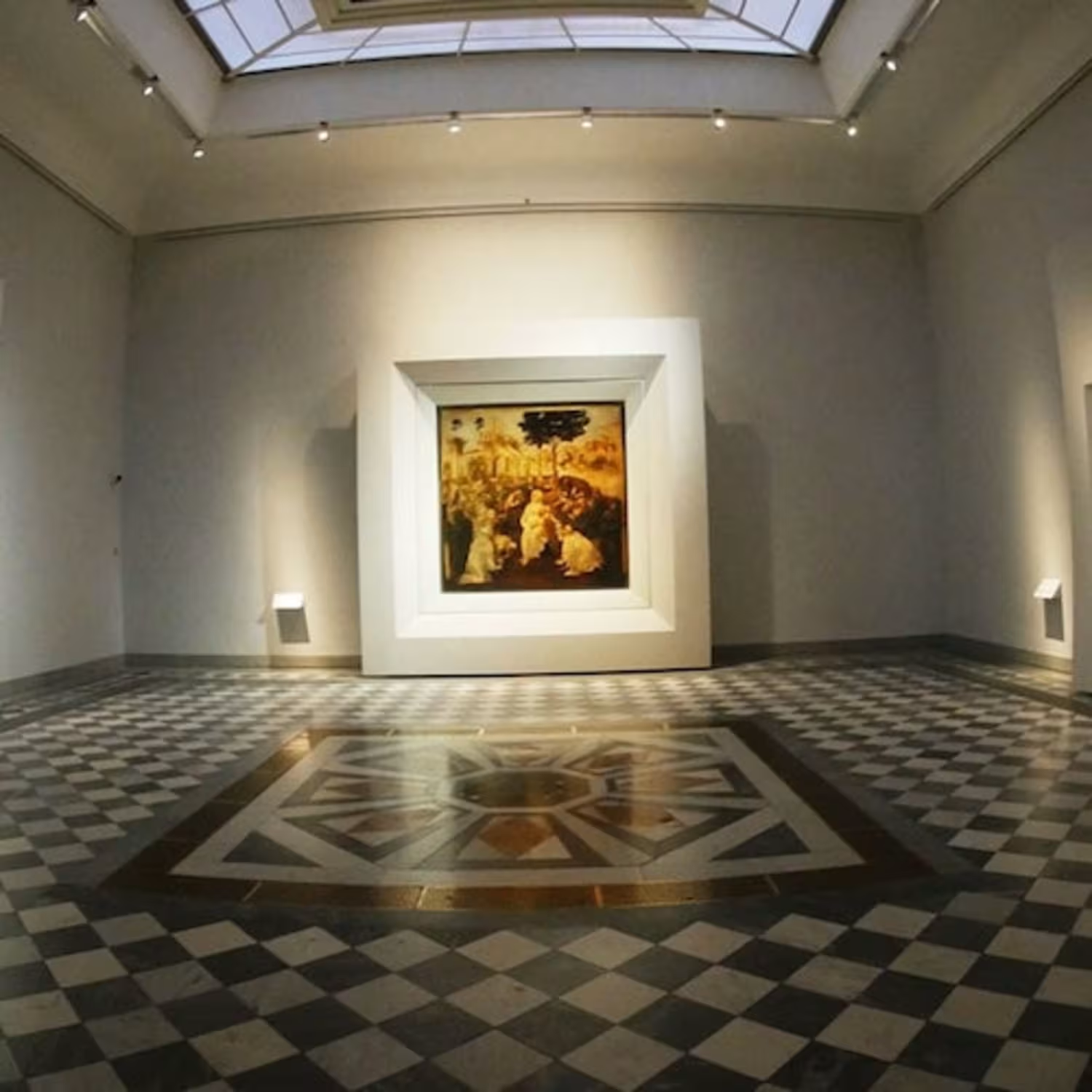
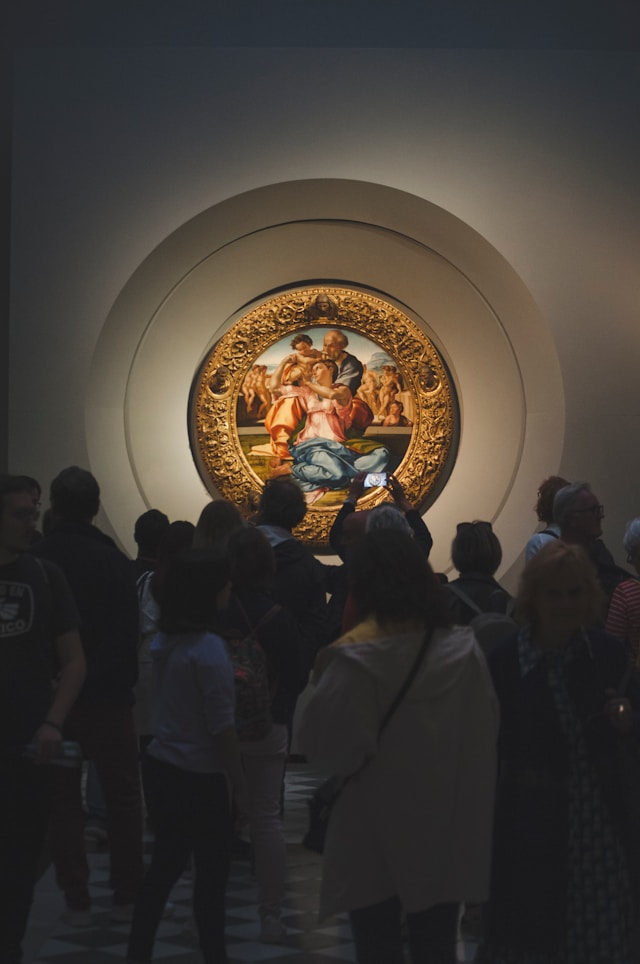
Beyond the early Renaissance, the gallery preserves essential works by the "titans" of art history, including Leonardo da Vinci, Michelangelo, and Raphael. Notable highlights include Leonardo’s Annunciation and Michelangelo’s Doni Tondo, the only finished panel painting by the artist known to exist in Florence.

The Grand Ducal Statuary and Roman Antiquities

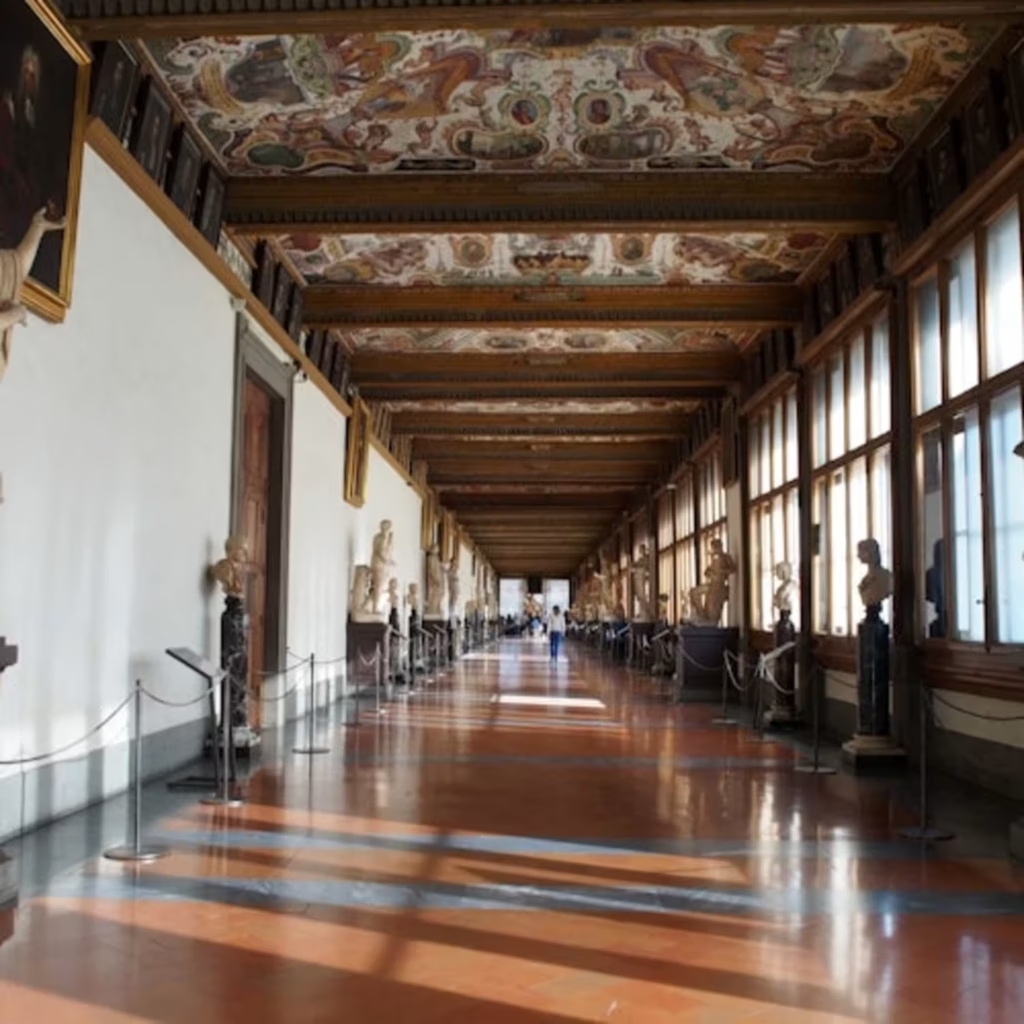
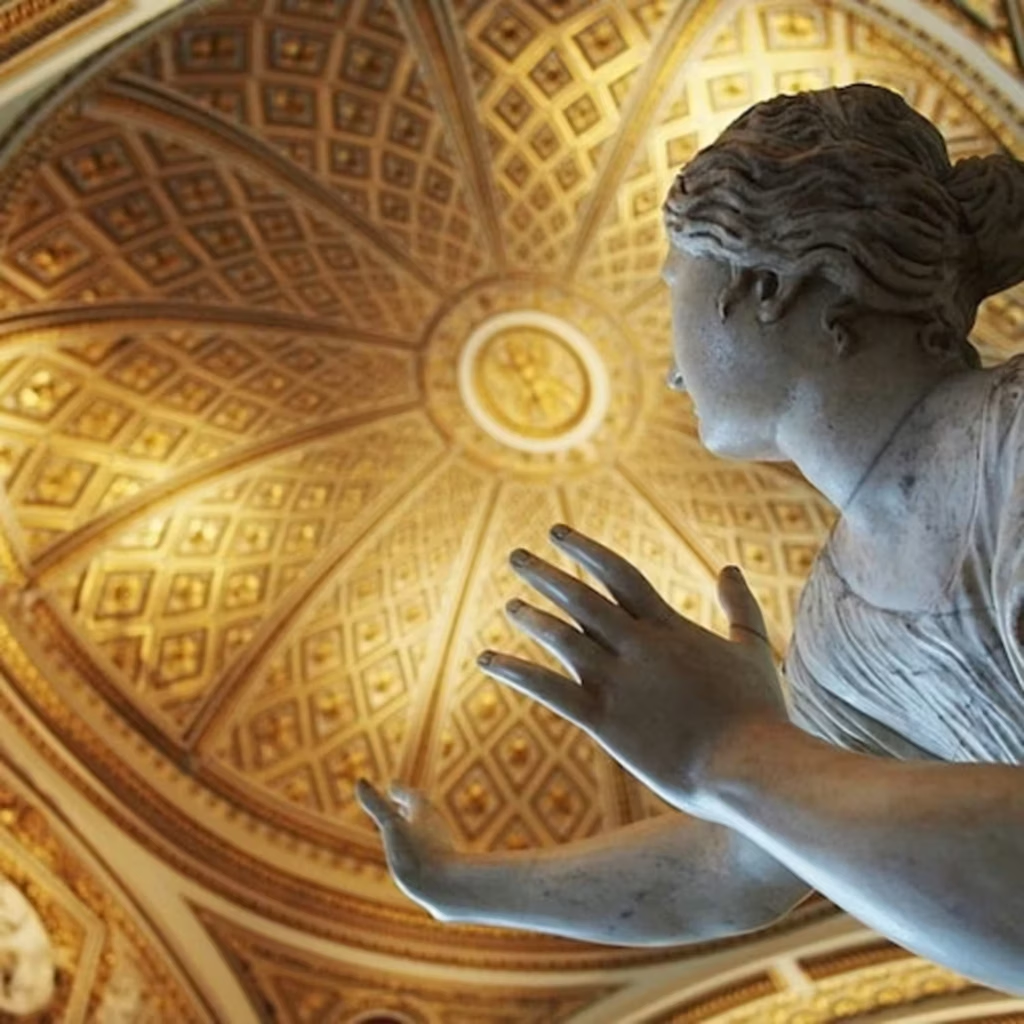
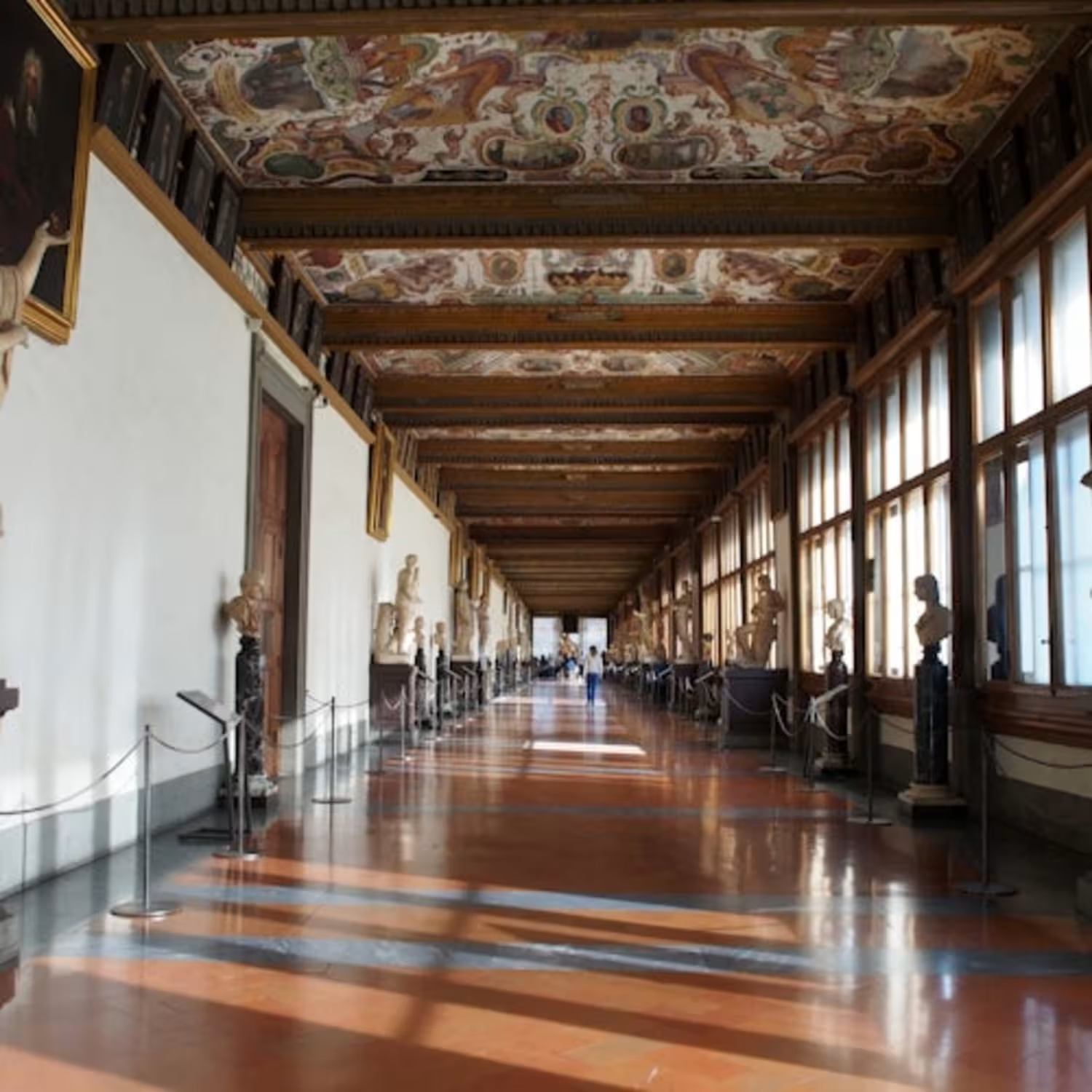
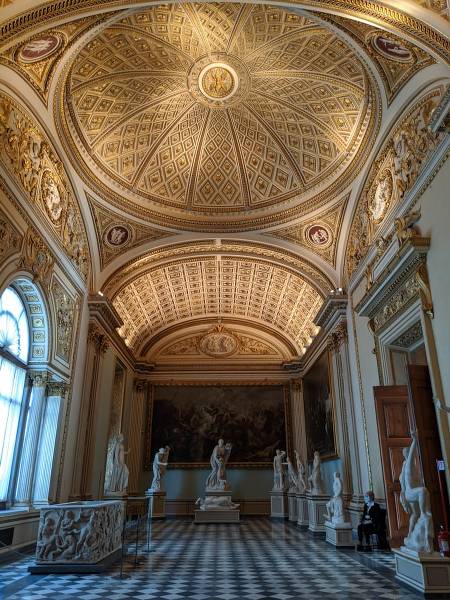
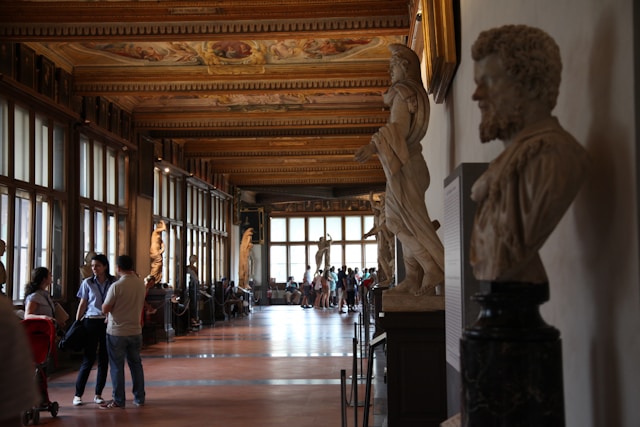
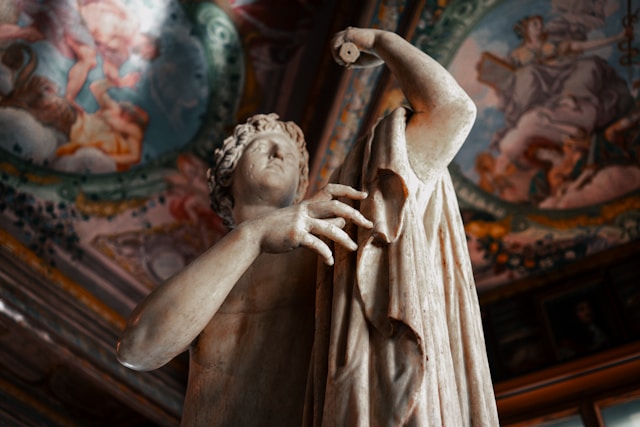
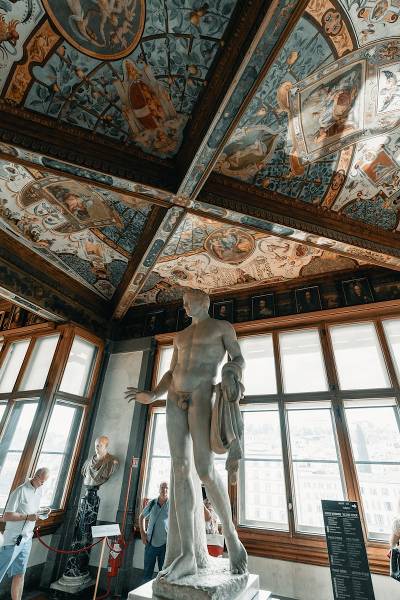
The corridors of the Uffizi are lined with an impressive array of ancient Roman sculptures and busts, many of which are Roman copies of lost Greek originals. This collection was central to the education of Renaissance artists, who studied these classical forms to rediscover the proportions of the human body.

Timings

From Tuesday to Sunday, 8:15 AM to 6:30 PM.

Closed on:

Mondays, 1 January, 25 December

At 6:30 PM visitors will be invited to make their way to the exit.

Best Time to Visit: To minimize wait times and avoid peak crowds, it is recommended to book the earliest morning slot at 8:15 AM or visit in the late afternoon after 4 PM.

Extended Hours: During peak season (typically April to December), the gallery often remains open until 10 PM on Tuesdays.

How to Get There?

The Uffizi Gallery is situated in the heart of Florence’s historic center, positioned between Piazza della Signoria and the Arno River. Because the museum is located within a Restricted Traffic Zone (ZTL), it is primarily accessible by foot or public transportation.

Address:

Piazzale degli Uffizi, 6
50122 Florence, Italy

The primary railway gateway to the city is the Firenze Santa Maria Novella (SMN) station. Upon arrival, you can reach the gallery using the following methods:

On Foot: The walk from the station takes approximately 15 to 20 minutes. From the station exit, follow Via de' Cerretani toward the Duomo, then turn right onto Via dei Calzaiuoli. This street leads directly into Piazza della Signoria, where the Uffizi complex is located immediately to the right of Palazzo Vecchio.

By Taxi: A taxi stand is located directly outside the station. The ride typically takes 7 to 10 minutes, depending on traffic within the pedestrian-priority zones.

Several local bus lines operated by Autolinee Toscane stop within a short walking distance of the gallery.

Lines C1 and C2: These small electric buses circulate through the historic center. The most convenient stops are Galleria degli Uffizi or Condotta.

Line 23: This line stops at Lungarno Diaz, which is located just behind the museum near the river.

While the tram does not enter the immediate historic core, the T2 line connects the Florence Airport (Peretola) directly to the Santa Maria Novella train station.

From the station, you can continue on foot or via the C1 bus as described above.

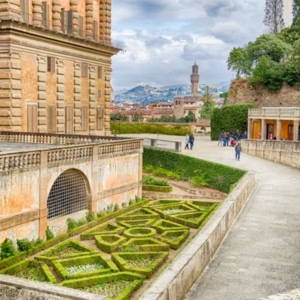
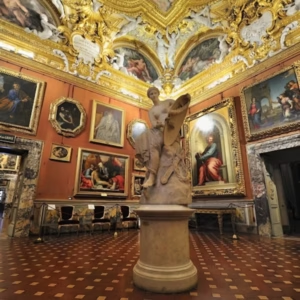
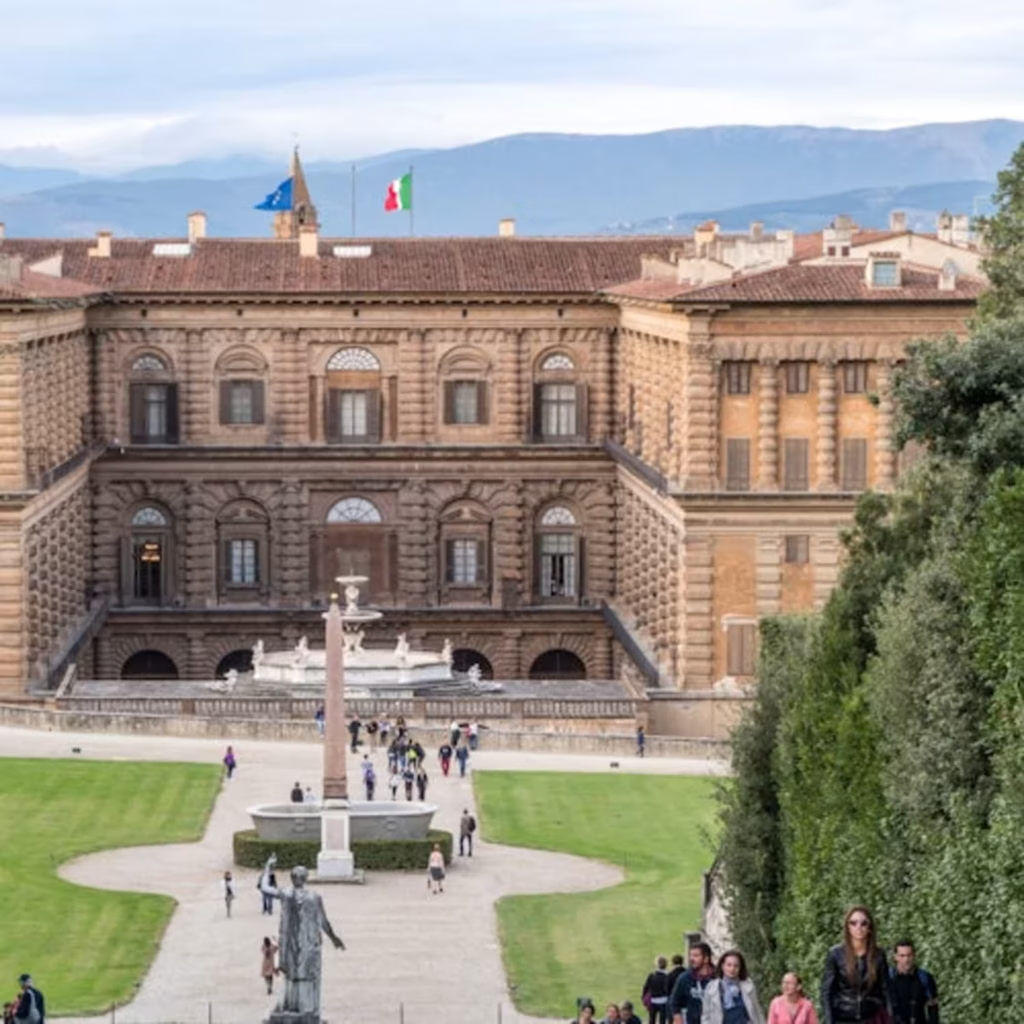
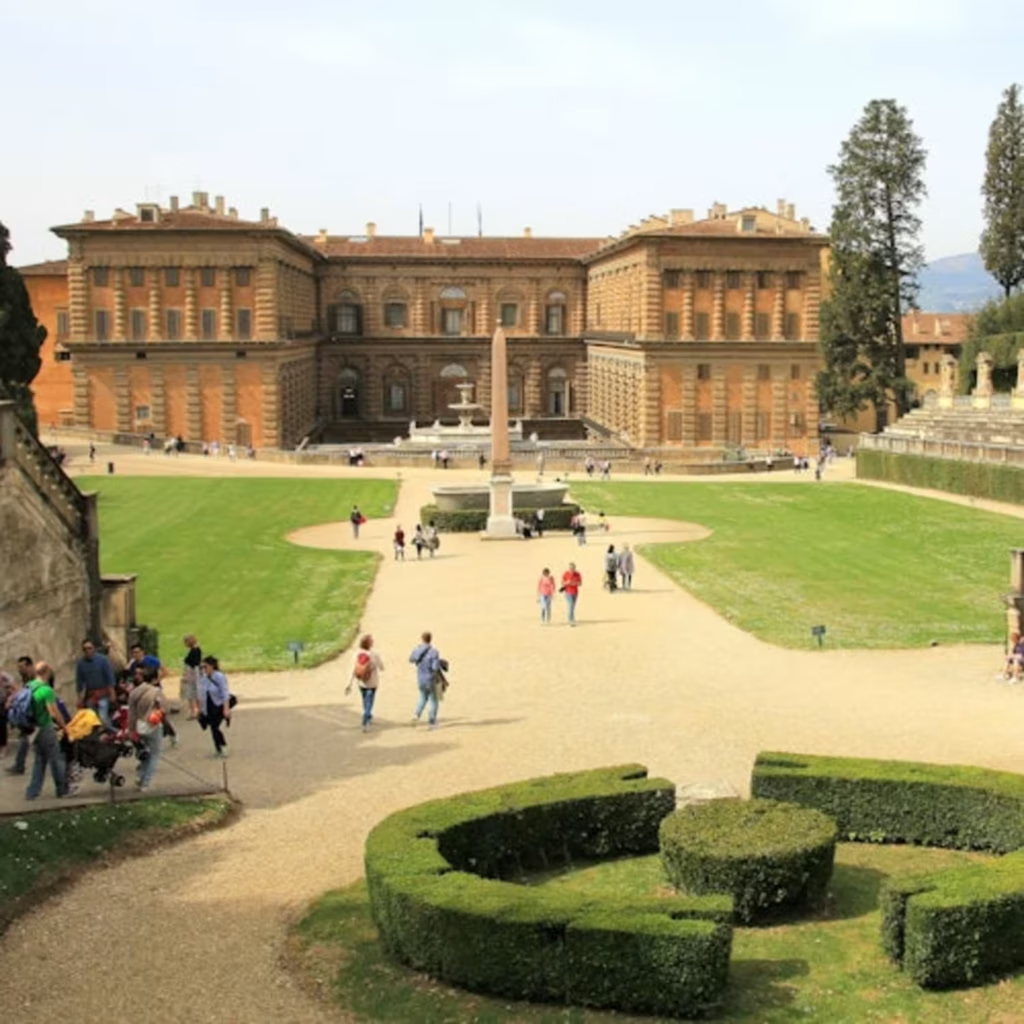
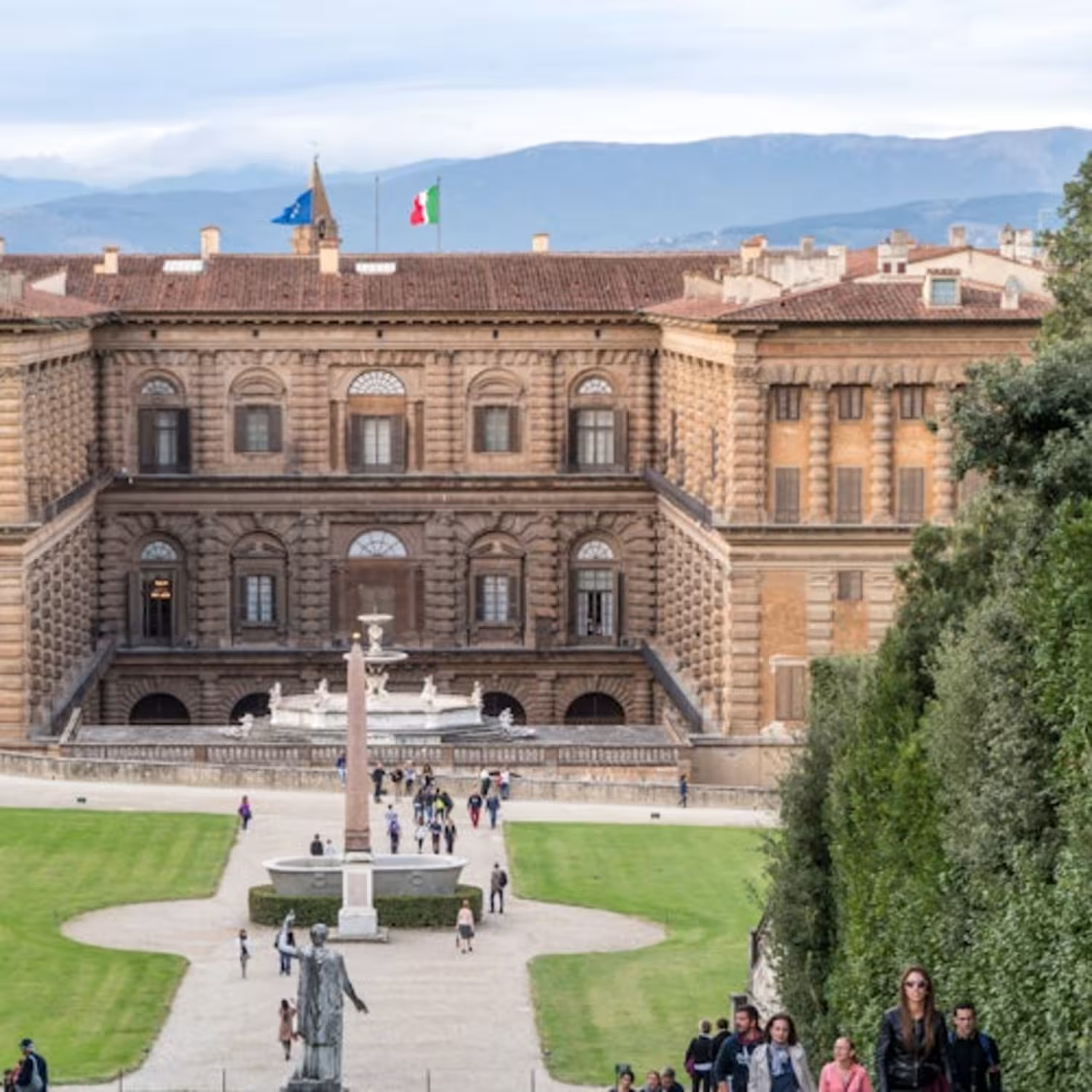
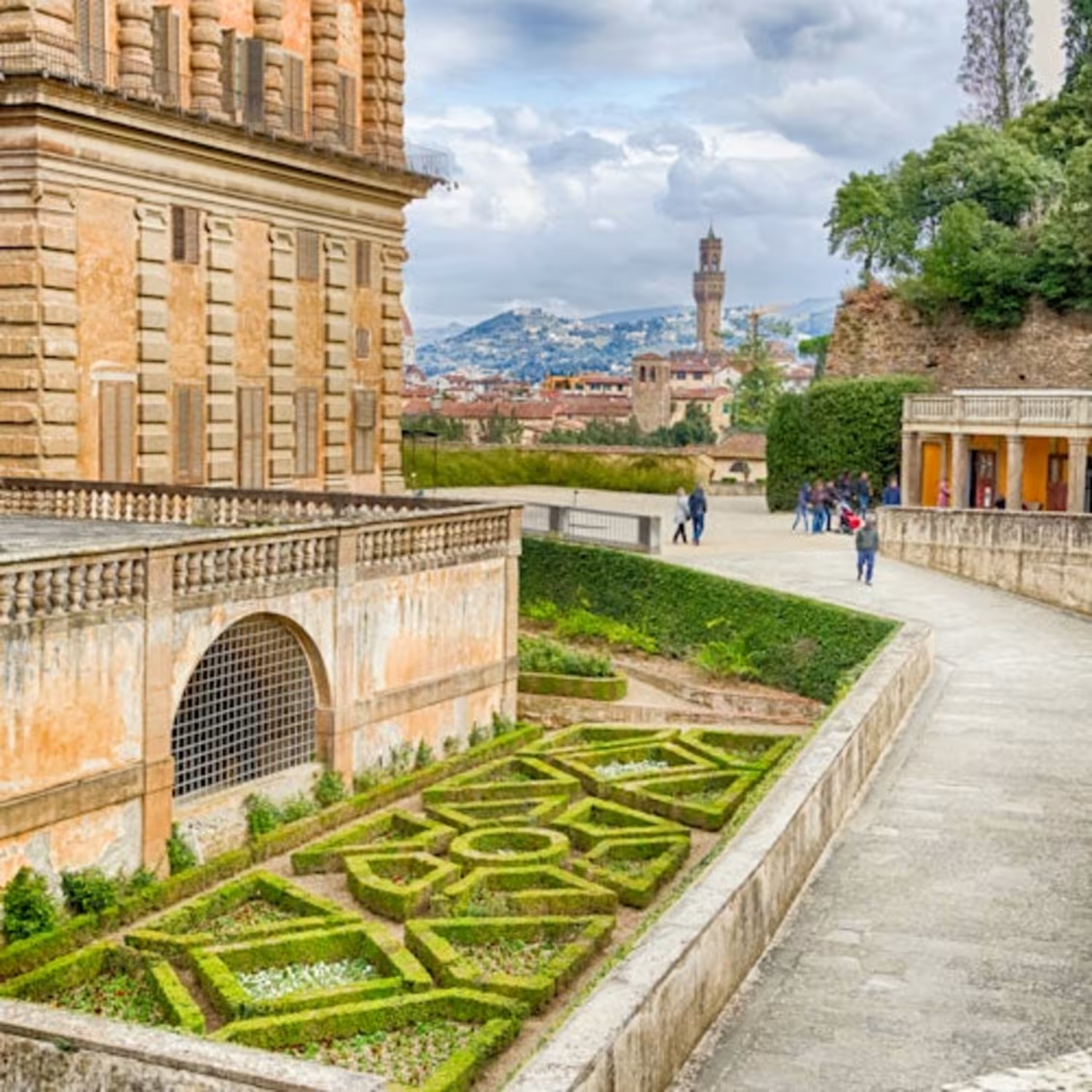
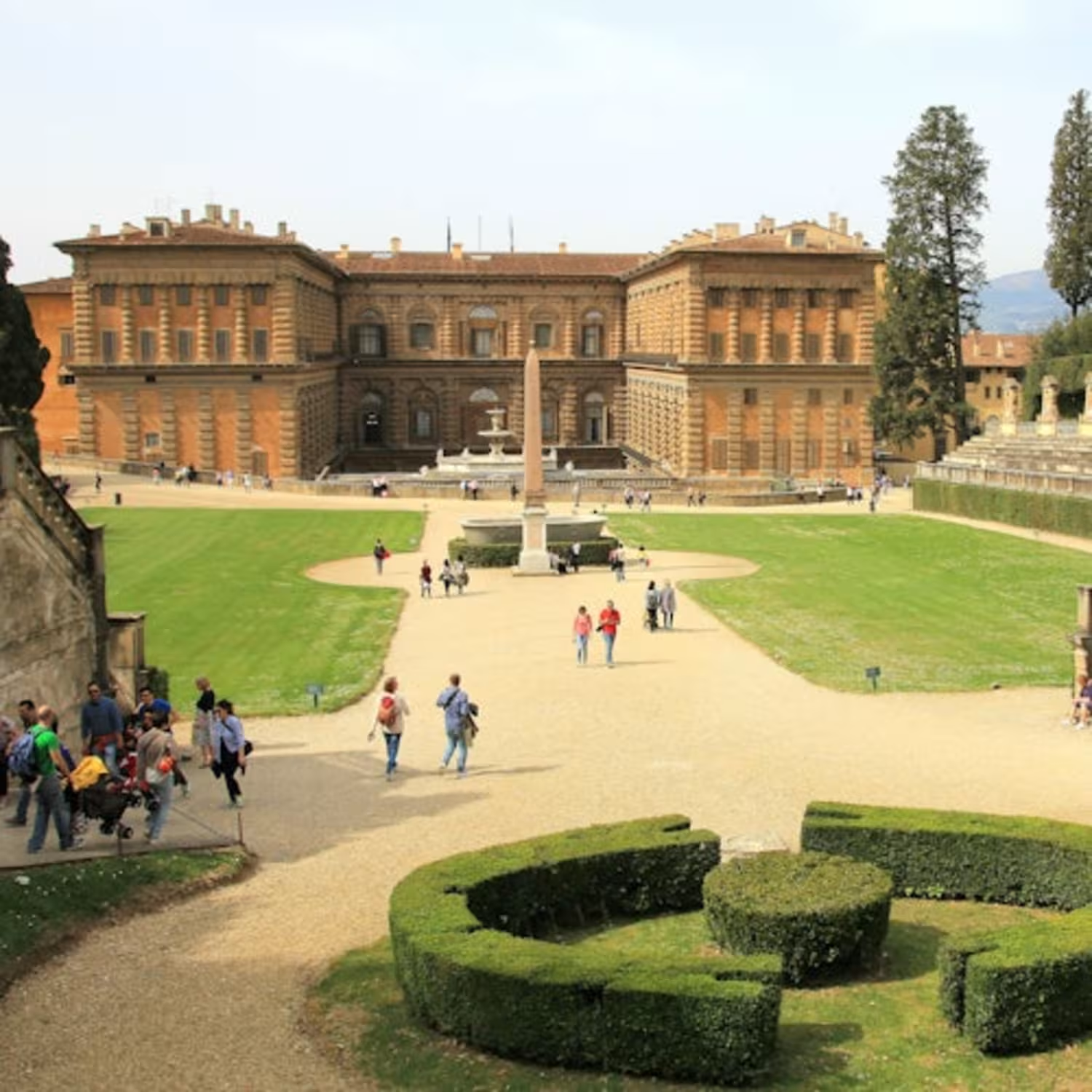
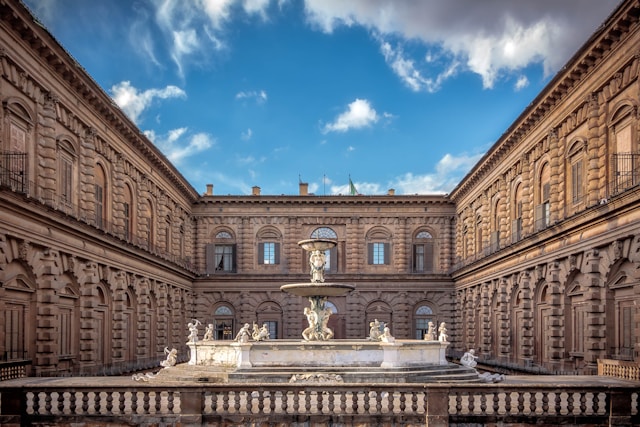
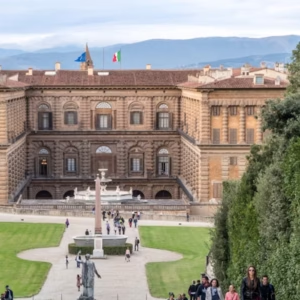
Palazzo Pitti, Florence

Driving directly to the Uffizi is not possible for non-residents, as the museum is located deep within the ZTL (Limited Traffic Zone). Unauthorized entry into this zone is monitored by cameras and results in significant fines.

If you are traveling by car, it is recommended to park in one of the following facilities:

Parcheggio Stazione SMN: Located under the main train station. It is the largest and most convenient lot for those entering from the north.

Parcheggio Sant’Ambrogio: Located to the east of the center, offering a roughly 15-minute walk to the gallery.

Private Garages: There are several private garages within the ZTL, such as Garage Palazzo Vecchio or Garage dei Tintori. If you use these, the garage staff can typically register your license plate with the authorities to grant you temporary access for parking purposes.

Things to Know Before Visiting the Uffizi Galleries

All visitors must pass through a security screening including a metal detector before entering the museum.

You are required to check large umbrellas, backpacks, and bags exceeding 40x30x18 cm into the free cloakroom.

Professional photography and the use of flash, tripod, or selfie sticks are strictly prohibited throughout the galleries.

Bottled water is permitted, but it must not exceed 0.5 liters and must be kept inside a bag while in the exhibition rooms.

Food and beverages are not allowed inside the gallery rooms and may only be consumed at the designated cafeteria.

Visitors under the age of 18 from any country receive free entry, but they must provide a valid ID or passport as proof of age.

Re-entry is not permitted; once you exit the museum building, your ticket is no longer valid for admission.

The museum is largely not air-conditioned, so visitors should dress appropriately for the warm temperatures typical of a Florentine summer.

It is recommended to arrive at least 15 minutes before your scheduled entry time to allow for the ticket collection and security process.

Silence and respectful behavior are required in the exhibition rooms to preserve the viewing experience for all guests.

Additional Information

The Uffizi Gallery provides essential amenities to ensure a comfortable visit.

On the ground floor near the entrance, visitors can find a free cloakroom where umbrellas, backpacks, and large bags must be deposited.

For security reasons, any bag exceeding the dimensions of 40x30x18 cm is not permitted inside the galleries.

Restrooms are located throughout the museum, specifically on the basement level, the mezzanine, and the second floor near the cafeteria.

To assist with the navigation of the 101 rooms, the museum offers official audio guides available in multiple languages, including English, Italian, French, German, and Spanish.

These can be rented at the desk located near the ticket office.

Additionally, the museum provides a dedicated post office and a currency exchange desk on the ground floor for international travelers requiring these services.

There are several museum shops located within the Uffizi complex, situated at the beginning and the end of the gallery route.

The ground floor houses the largest bookshop, which features an extensive collection of art history volumes, exhibition catalogs, and scholarly monographs in various languages.

This primary store is accessible even to those without a museum ticket.

For those looking for mementos, the shops offer a wide range of merchandise inspired by the museum’s masterpieces.

Items include high-quality prints, stationery, jewelry, and silk scarves featuring motifs from Botticelli and Leonardo da Vinci.

There is also a dedicated children's section offering educational books and games designed to introduce younger audiences to the Italian Renaissance.

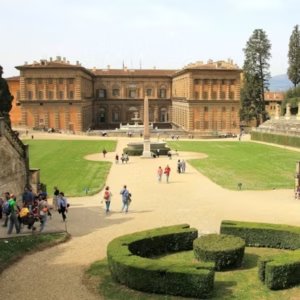
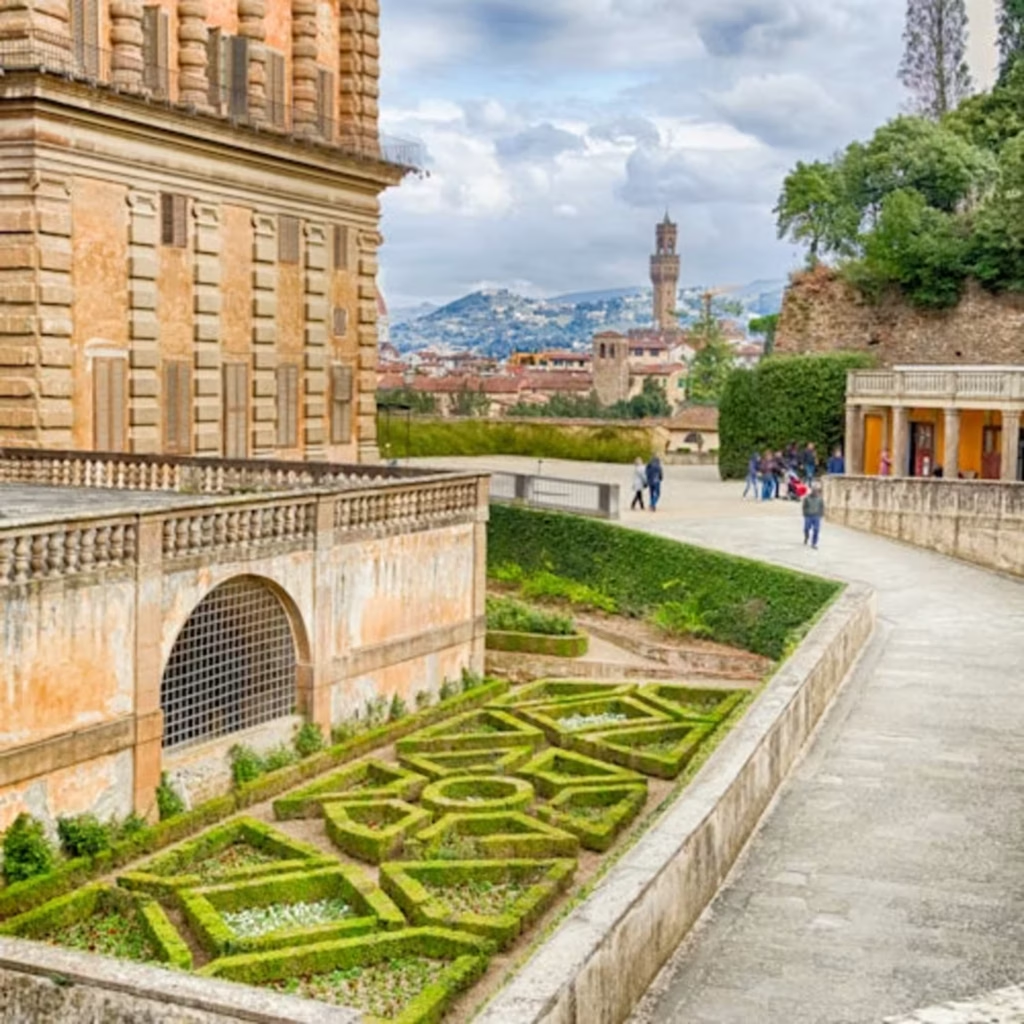
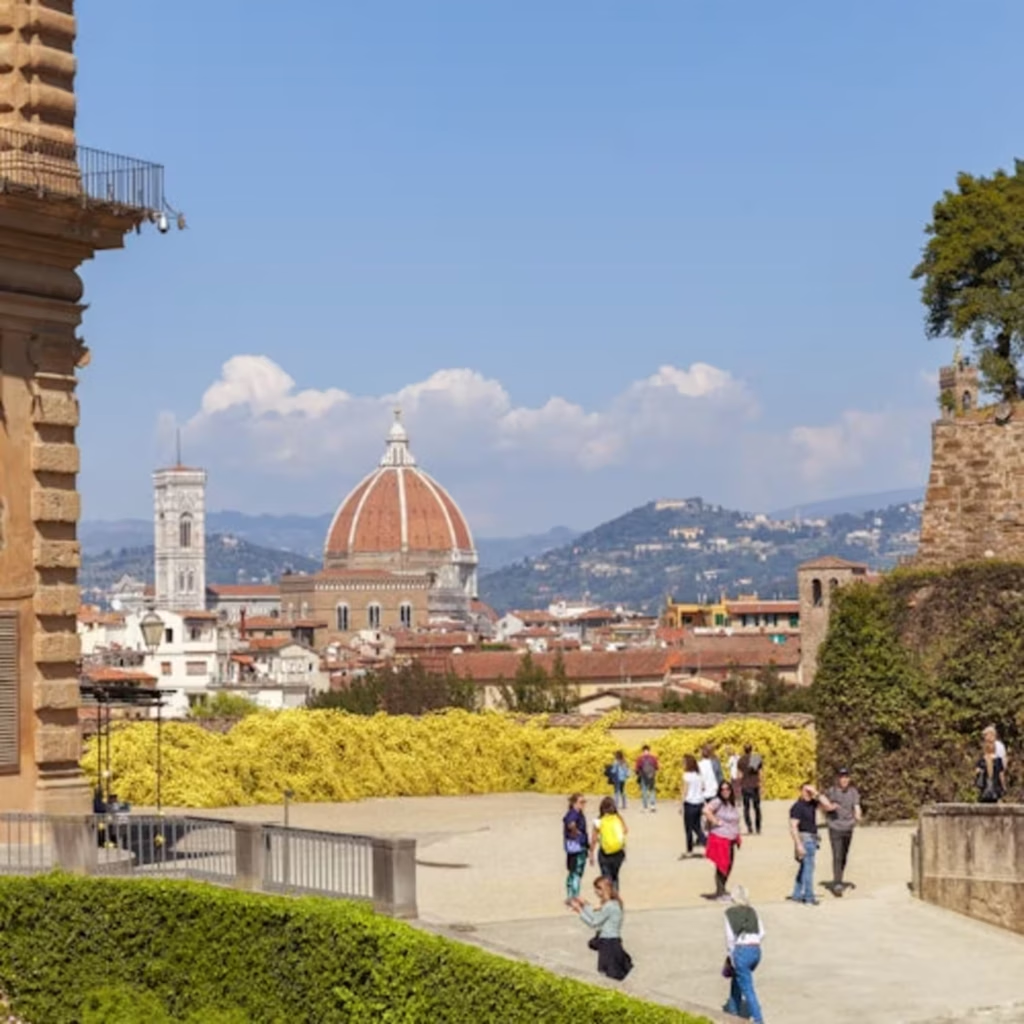
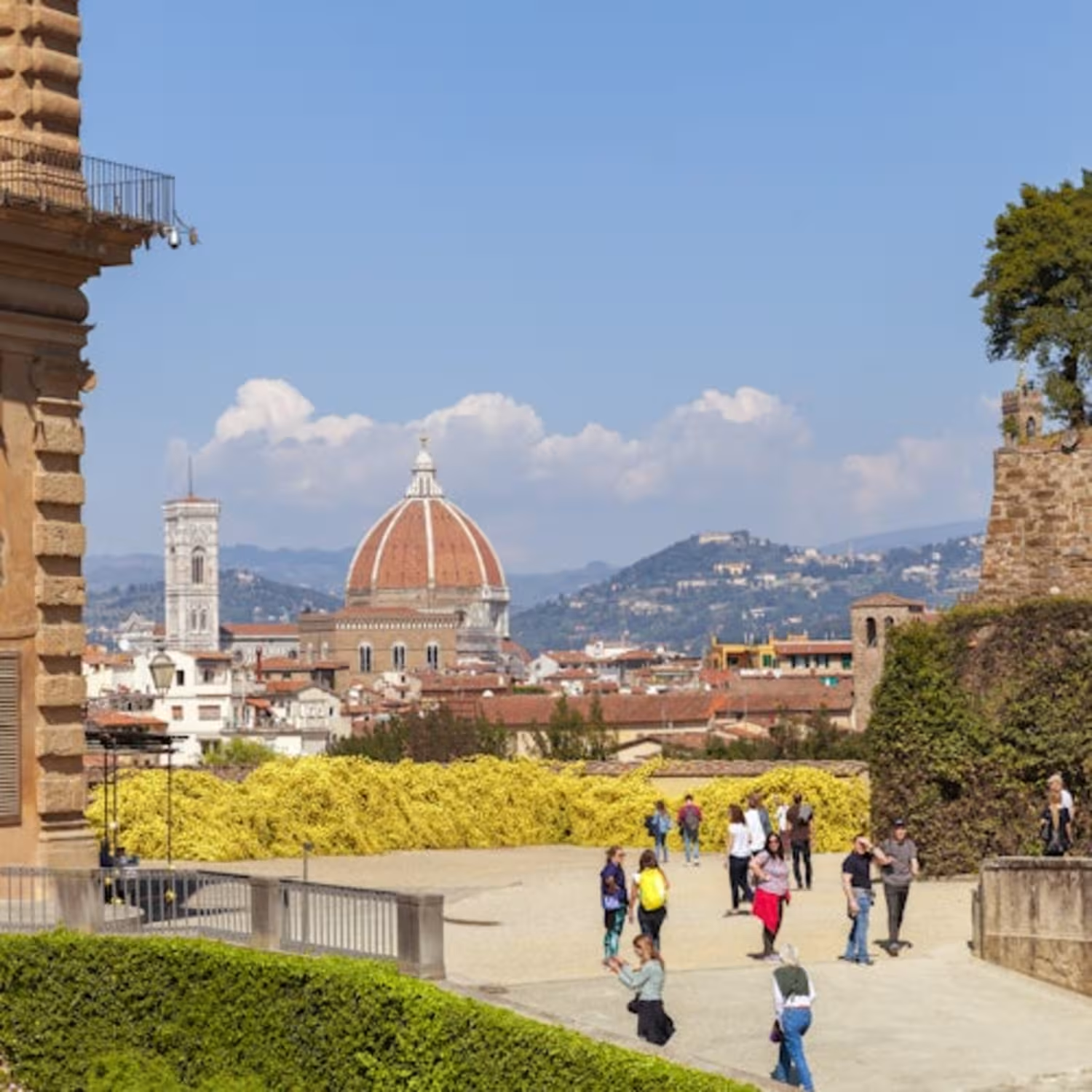
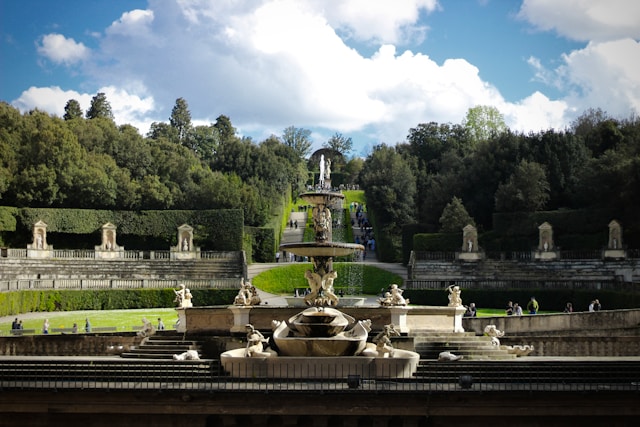
The Boboli Gardens, Florence

The Uffizi features a single cafeteria, the Buvette, located at the end of the Second Corridor on the second floor.

Situated atop the Loggia dei Lanzi, the cafe offers an outdoor terrace with a direct view of the Palazzo Vecchio and the Piazza della Signoria.

It serves a selection of light refreshments, including sandwiches, salads, pastries, and traditional Italian coffee.

While the cafeteria provides a scenic location for a break, seating is limited and can be highly sought after during peak hours.

It is important to note that food and drink are strictly prohibited inside the exhibition rooms.

Visitors planning a full meal may prefer to explore the numerous trattorias and cafes located in the streets immediately surrounding the gallery after their visit has concluded.

Accessibility

The Uffizi Gallery is committed to providing access to all visitors and is fully equipped for individuals with motor disabilities. The main entrance at Door 1 is equipped with a ramp, and all floors of the gallery are connected by large elevators located near the entrance and exit. While the museum is housed in a historic 16th-century building, the floors are generally even and paved, making them suitable for manual and electric wheelchairs.

Wheelchairs are available for free at the museum entrance on a first-come, first-served basis. Visitors with disabilities, along with one companion, are entitled to free priority entry and do not need to book in advance; they can proceed directly to the "Assistance" or "Reservations" desk to receive their complimentary tickets. Accessible restrooms are clearly marked and located on the basement level (accessible via elevator), the mezzanine, and the second floor.

For visitors with visual impairments, the museum offers a program called "Uffizi by Touch." This initiative includes a selection of 14 ancient sculptures and relief replicas that can be explored through tactile interaction. These stations are accompanied by Braille descriptions and specialized explanatory panels. Furthermore, service animals, such as guide dogs for the blind or assistance dogs for the hearing impaired, are permitted inside the galleries provided they are kept on a leash.

Interesting Facts about the Uffizi Galleries

The Uffizi Gallery was originally designed not as a museum but as a suite of administrative offices for the Florentine magistrates.

The term Uffizi literally translates to offices in Italian, reflecting the building's initial 16th-century purpose.

It is considered one of the first modern museums in the world because it has been open to visitors by request since the late 16th century.

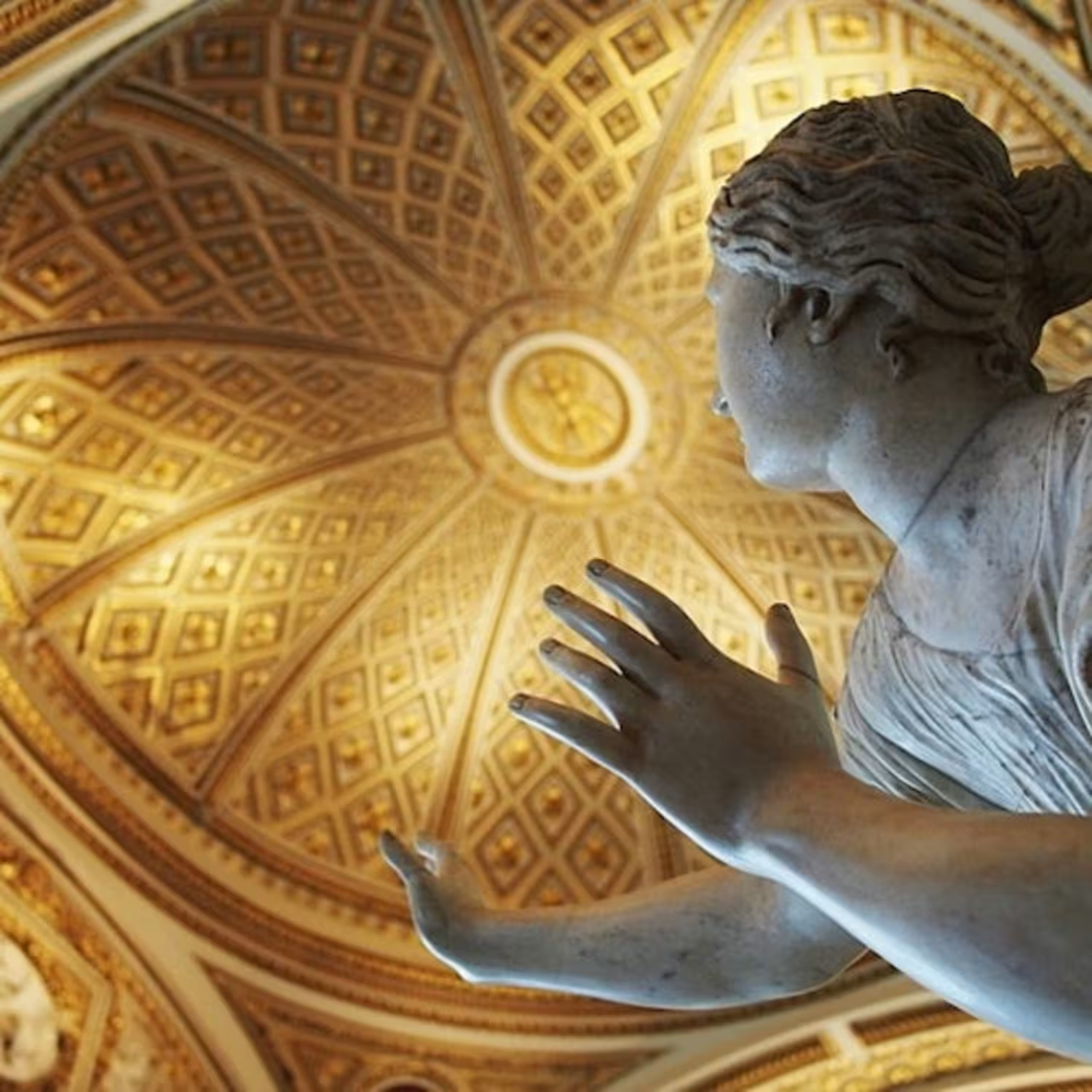
The Tribuna, an octagonal room within the gallery, was specifically designed to showcase the most precious items of the Medici collection.

The Vasari Corridor is a secret elevated walkway that allowed the Medici family to travel between the Uffizi and Pitti Palace without stepping outside.

The gallery’s collection was saved for the city of Florence by Anna Maria Luisa de' Medici, the last descendant of the family, through the Family Pact of 1737.

Leonardo da Vinci’s Annunciation, housed here, contains anatomical details that were revolutionary for the time it was painted.

The Uffizi was the first museum in Europe to use a systematic scientific approach to the restoration of its artworks.

During World War II, many of the museum's most famous paintings were hidden in various Tuscan villas and castles to protect them from looting and bombing.

The building suffered significant damage in 1993 from a car bomb near the Via dei Georgofili, but the affected areas have since been meticulously restored.

The gallery contains the only finished panel painting by Michelangelo known to be located in Florence, titled the Doni Tondo.

The Uffizi’s corridors are lined with hundreds of ancient Roman marble sculptures that were used as study materials by Renaissance artists.

The museum’s collection of self-portraits is the oldest and most extensive of its kind in the world.

The ceiling of the East Corridor is decorated with intricate Grotesque frescoes that feature fantastical creatures and floral patterns.

The museum occupies over 13,000 square meters of exhibition space across two main floors of the historic complex.

FAQs about the Uffizi Galleries

What was the original purpose of the Uffizi building?

The complex was commissioned in 1560 by Cosimo I de' Medici to house the administrative and judicial offices of the Florentine State.

How did the Uffizi transition from offices to a public museum?

The Medici family gradually filled the space with art, and it was eventually gifted to the people of Florence in 1737 under the Family Pact.

Who designed the Uffizi Galleries?

The building is a masterpiece of Mannerist architecture designed by Giorgio Vasari, who also created the famous elevated corridor.

What is the significance of the Tribuna room?

The Tribuna is a symbolic octagonal room built in 1584 to showcase the most exquisite masterpieces of the Medici private collection.

How large is the Uffizi Gallery?

The museum covers approximately 13,000 square meters of exhibition space and consists of 101 rooms across two main floors.

Which Botticelli masterpieces are housed here?

The gallery is the exclusive home to the world-renowned Renaissance paintings The Birth of Venus and Primavera.

What makes the Uffizi's sculpture collection unique?

The corridors are lined with hundreds of ancient Roman sculptures and busts that served as foundational study materials for Renaissance artists.

What are the museum’s regular operating hours?

The gallery is open Tuesday through Sunday from 8:15 AM to 6:30 PM, with a mandatory closure every Monday.

Are there times when the museum stays open late?

During the peak season from April to December, the museum frequently offers extended evening hours until 10 PM on Tuesdays.

How can I reach the Uffizi from the main train station?

The gallery is a 15 to 20-minute walk from Santa Maria Novella station or a short 7 to 10-minute taxi ride.

Can I bring a large backpack or umbrella into the galleries?

Bulky items and bags exceeding 40x30x18 cm must be deposited in the free cloakroom located near the entrance.

Is photography allowed inside the museum?

You may take personal, non-flash photos, but professional equipment like tripods and selfie sticks are strictly prohibited.

What are the entry requirements for visitors under 18?

Minors receive free entry but must present a valid government-issued ID or passport to verify their age at the door.

Is the Uffizi Gallery accessible for visitors with limited mobility?

The museum is fully accessible via ramps and elevators, and manual wheelchairs are available for free at the entrance.

Does the museum offer dining facilities?

A cafeteria called the Buvette is located on the second floor and features an outdoor terrace overlooking Piazza della Signoria.

This website sells official tickets for this venue. Please note, however, that it is not the official website of the venue.
The images and videos on this website may contain visual elements that have been created or enhanced using AI technology. They are provided for illustrative purposes only.