Stiamo elaborando la tua richiesta.
Per favore, non chiudere né aggiornare la pagina.
Biglietti per Firenze Torre pendente di Pisa

Leaning Tower of Pisa: Tickets and Info

Questo sito web offre biglietti ufficiali per questa sede. Ti preghiamo tuttavia di notare che non si tratta del sito web ufficiale della sede stessa.
Biglietti su smartphone

Tutto quello che ti serve, proprio in tasca!

Assistenza clienti 24 h su 24, 7 d su 7

Siamo qui per aiutarti in qualsiasi momento.

Conferma immediata

Ricevi i tuoi biglietti pochi secondi dopo l’acquisto

Recensioni verificate su 100%

Commenti autentici da parte di utenti reali e verificati.

Migliaia di prenotazioni al mese

Ogni mese migliaia di persone si affidano a noi per le loro prenotazioni.

Torre pendente di Pisa e Duomo di Pisa: biglietto d’ingresso

In evidenza

Scopri la famosa Torre Pendente, nota per la sua iconica inclinazione.

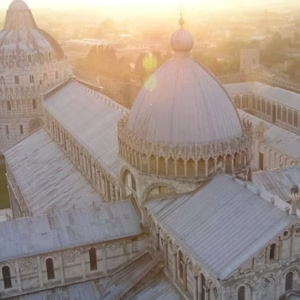
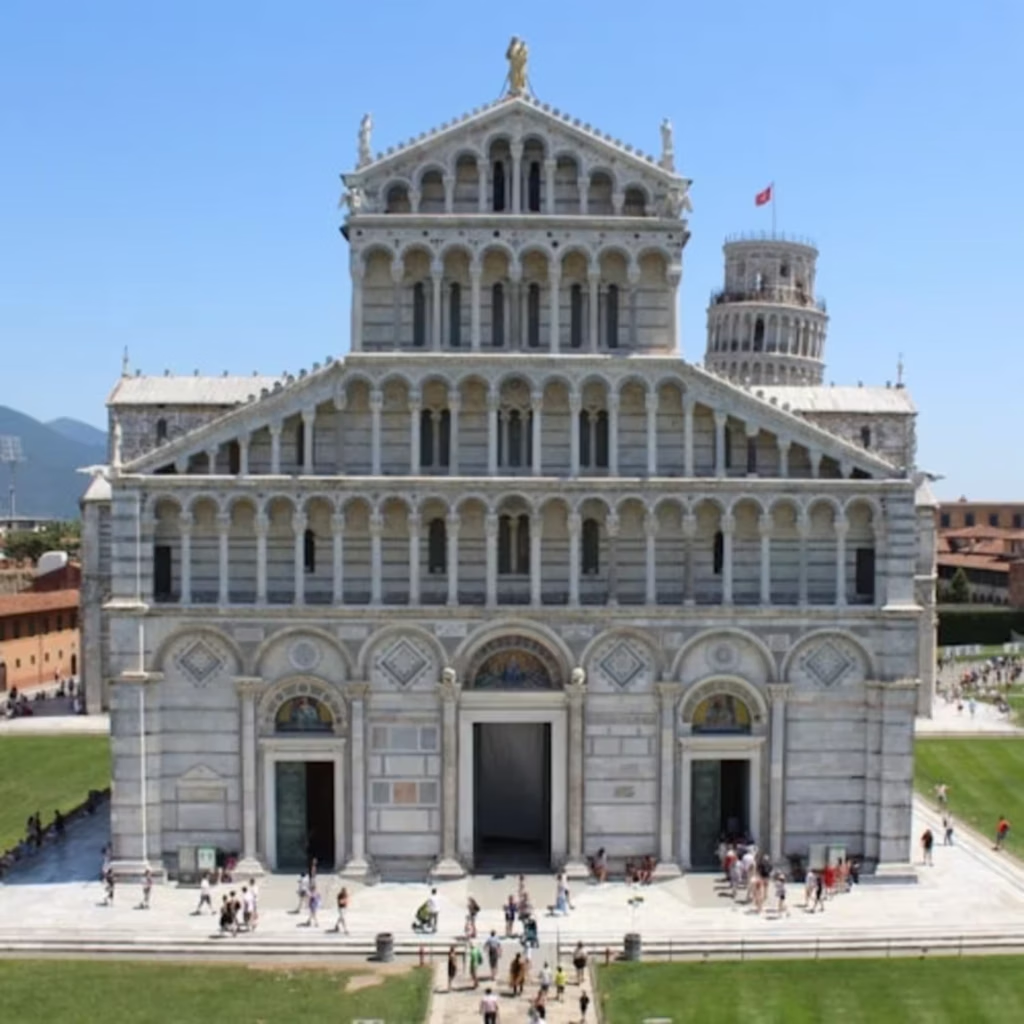
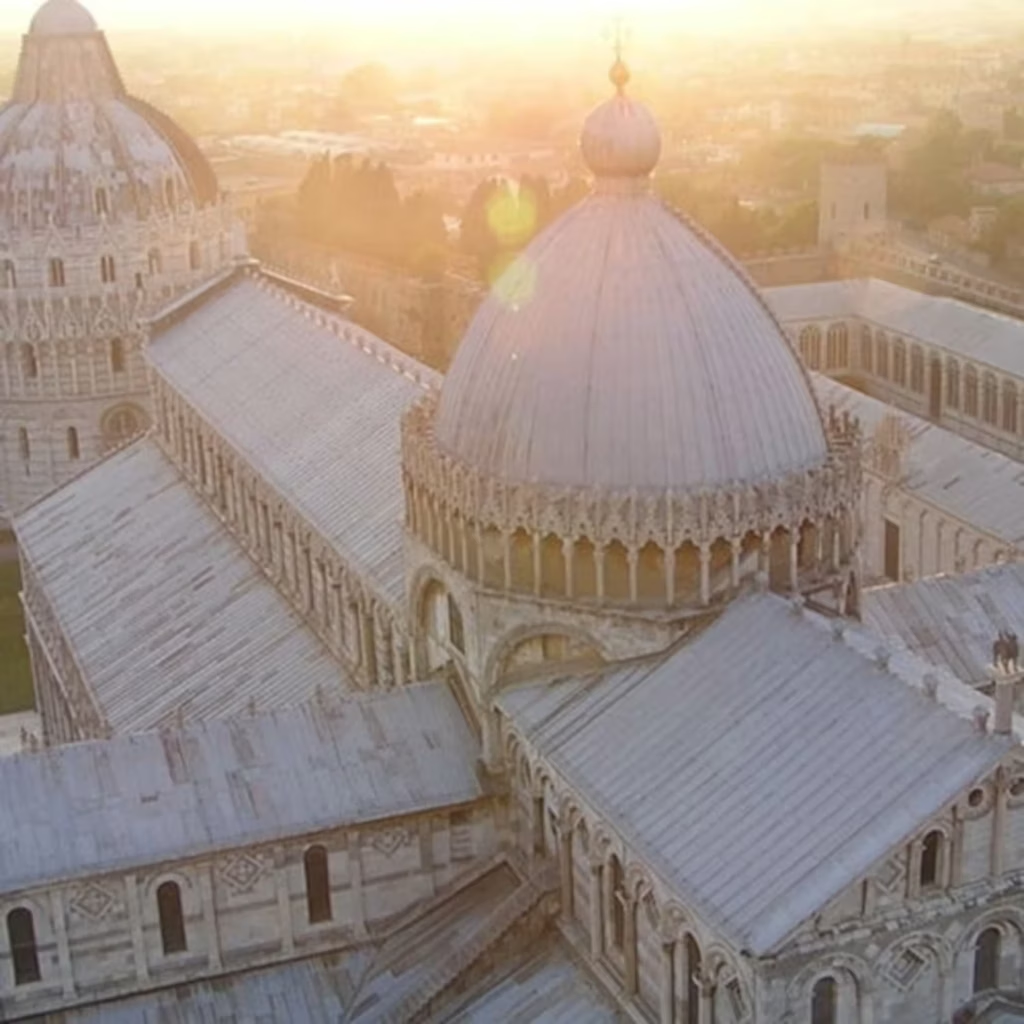
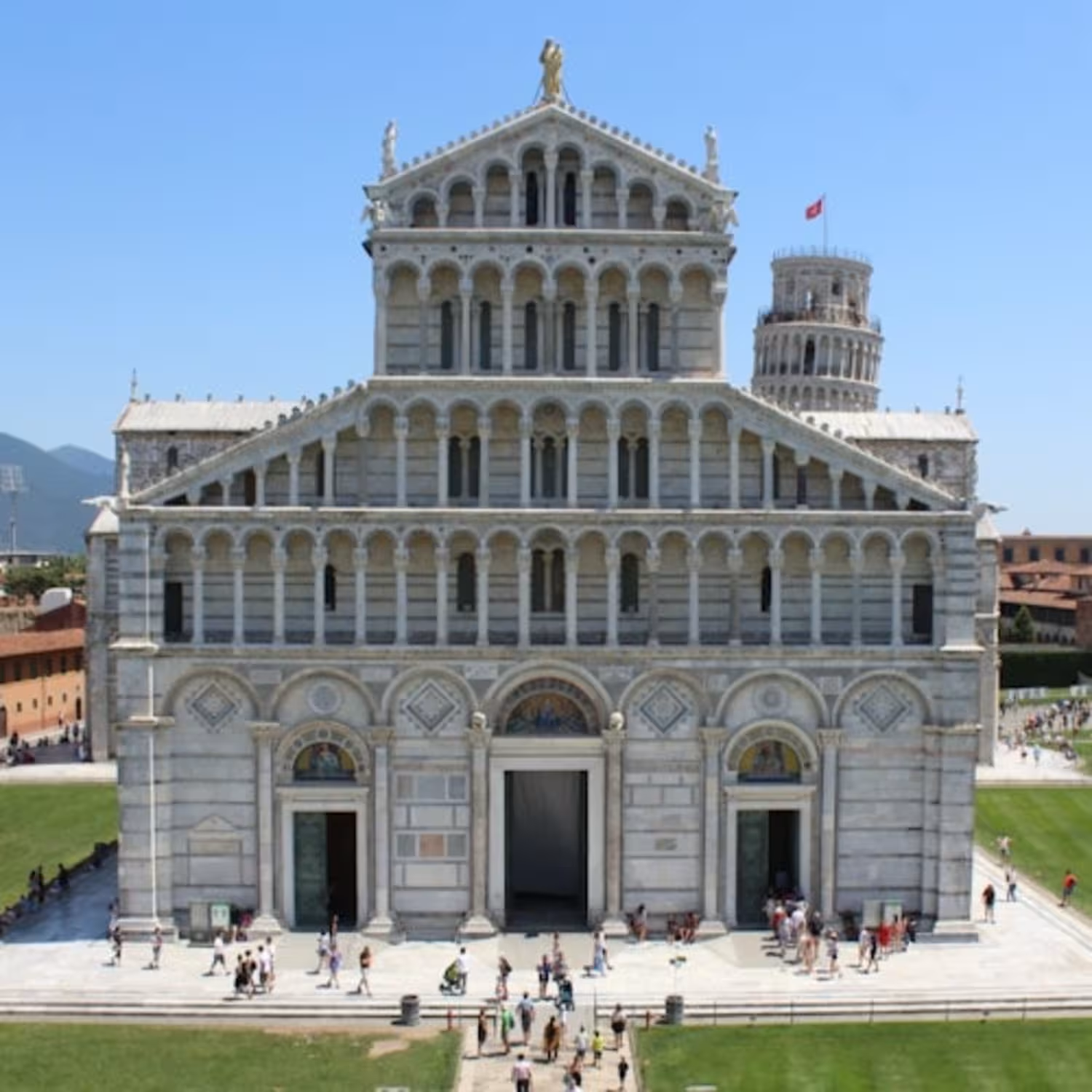
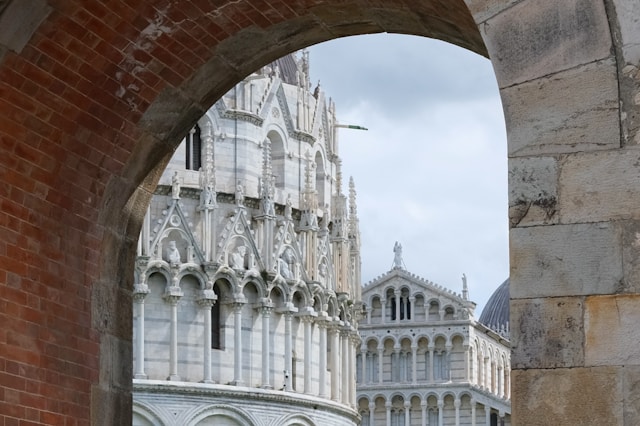
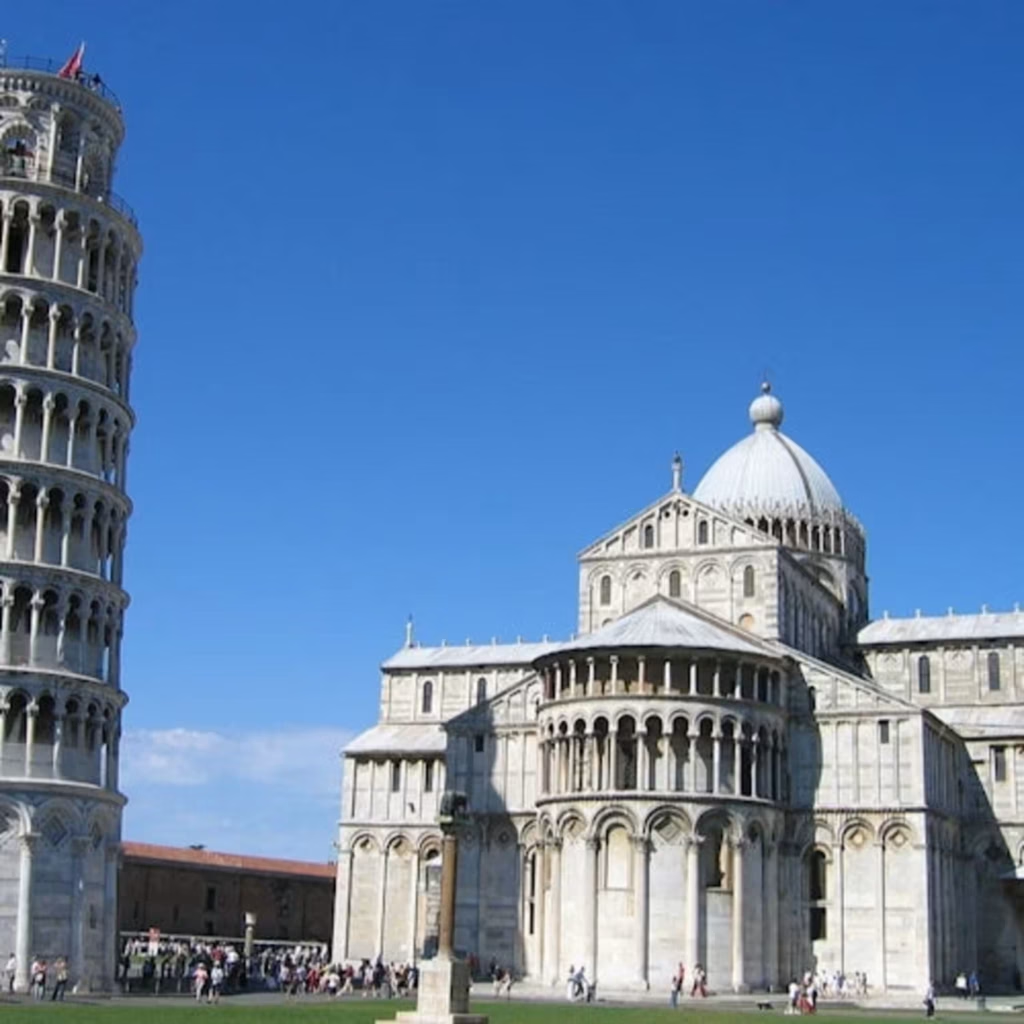
Ammira la spettacolare facciata in marmo del Duomo di Pisa.

Visita il Museo Sinopie e il cimitero adiacente.

Scatta foto indimenticabili di questa architettura unica.
Informazioni utili prima di visitare la Torre Pendente di Pisa

Per motivi di sicurezza, se hai meno di 8 anni ti è severamente vietato salire sulla torre.

Se hai un’età compresa da 8 a 18 anni, devi essere accompagnato da un adulto in ogni momento durante la salita.

Devi depositare tutte le borse di grandi dimensioni, gli zaini e i contenitori non trasparenti nel guardaroba ufficiale gratuito prima del tuo orario di ingresso.

È necessario che tu ti presenti al controllo di sicurezza almeno 15 min prima della fascia oraria prevista per evitare che ti venga negato l’accesso.

La salita comprende 251 gradini di marmo stretti e irregolari e non è consigliata a te se soffri di disturbi cardiaci o di vertigini.

Per accedere alla Cattedrale e agli altri luoghi di culto presenti nella piazza ti è richiesto un abbigliamento sobrio che copra sia le spalle che le ginocchia.

Ti consigliamo vivamente di indossare calzature con una buona aderenza, poiché i gradini di marmo all’interno della torre possono essere scivolosi e consumati.

All’interno del monumento non ti è generalmente consentito l’uso di attrezzature fotografiche professionali, compresi treppiedi e stabilizzatori di grandi dimensioni.

Essential Visitor Info

Orari di apertura

La torre apre solitamente ogni giorno alle 9:00, anche se nei mesi estivi può aprire già alle 8:30.

Gli orari di chiusura variano notevolmente nel corso dell’anno: in inverno l’attività termina solitamente alle 18:00, mentre nella stagione estiva di punta (da metà giugno ad agosto) l’orario serale viene spesso prolungato fino alle 22:00.

La cattedrale apre solitamente al pubblico alle 10:00, al termine delle funzioni religiose mattutine.

Il periodo migliore per visitarla

Per evitare la folla più numerosa, cerca di scegliere la fascia oraria più mattutina possibile oppure le ultime due ore prima della chiusura.

L’ora di mezzogiorno, in particolare da 11:00 a 15:00, è il momento di punta per l’arrivo dei grandi gruppi turistici provenienti da Firenze e dai porti crocieristici.

Durata della visita

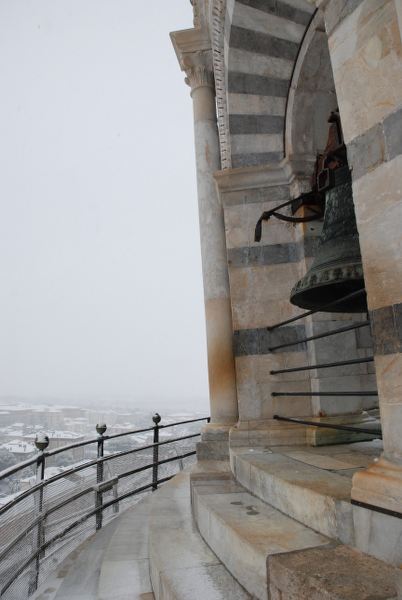
Una visita standard alla Torre Pendente dura circa 30 min, compresi la salita, alcuni minuti trascorsi nel campanile per ammirare le campane e il panorama della città, e la discesa.

Se hai intenzione di visitare l’intero complesso di Piazza dei Miracoli – compresi il Duomo, il Battistero e il Camposanto – ti consigliamo di prevedere almeno da 2 h a 3 h per goderti appieno l’esperienza.

About the Leaning Tower of Pisa

Originally conceived as the freestanding bell tower for the neighboring Cathedral of Santa Maria Assunta, the Leaning Tower of Pisa is a definitive example of Pisan Romanesque architecture. Construction began in 1173 and spanned nearly two centuries, plagued by significant interruptions due to regional conflicts and the building's infamous structural instability. The tower’s signature tilt is the result of a shallow three-meter foundation set in a soft, alluvial subsoil of clay and sand, which began to subside as soon as work reached the third story. Despite these early failures, medieval engineers continued the project, eventually completing the eight-story marble cylinder in 1372 with the addition of the belfry.

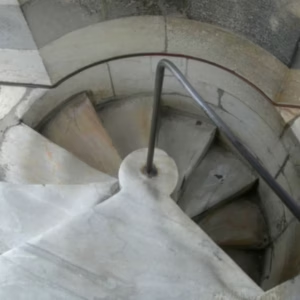
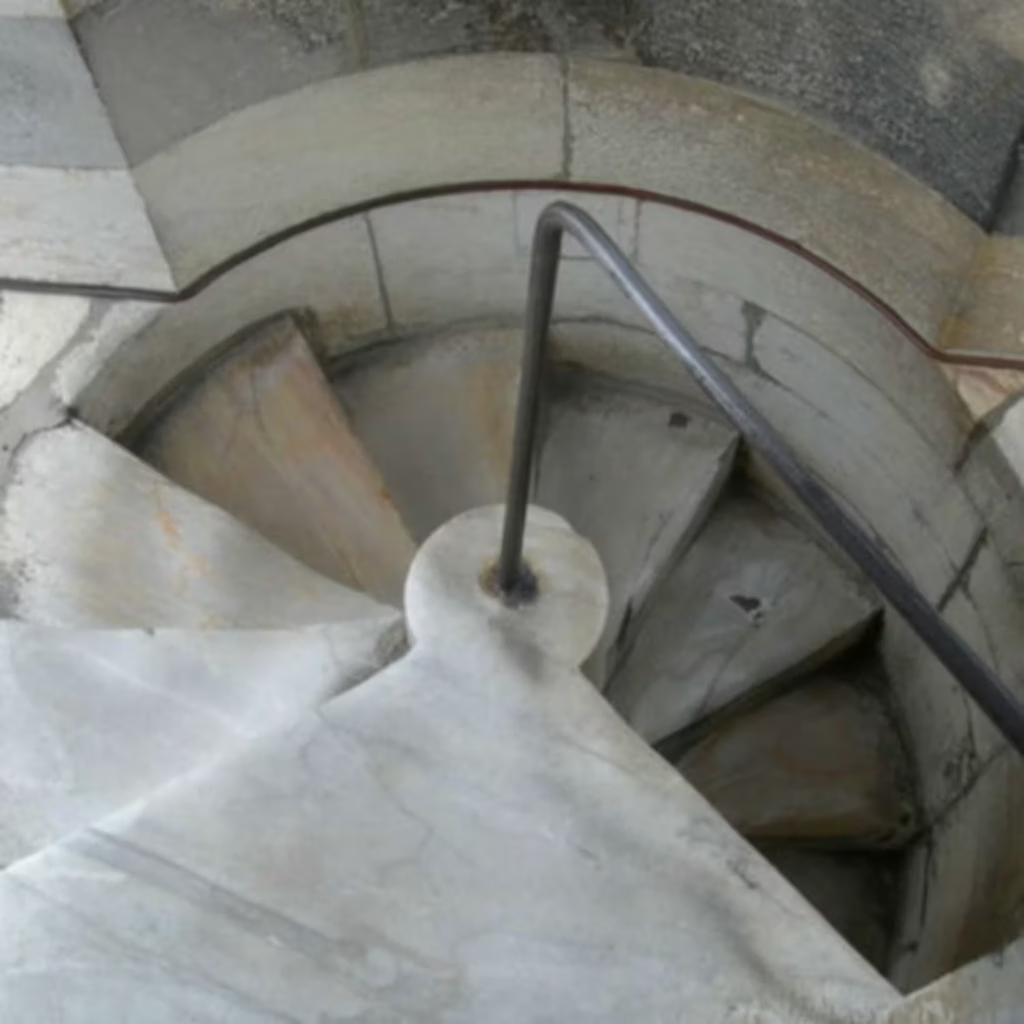
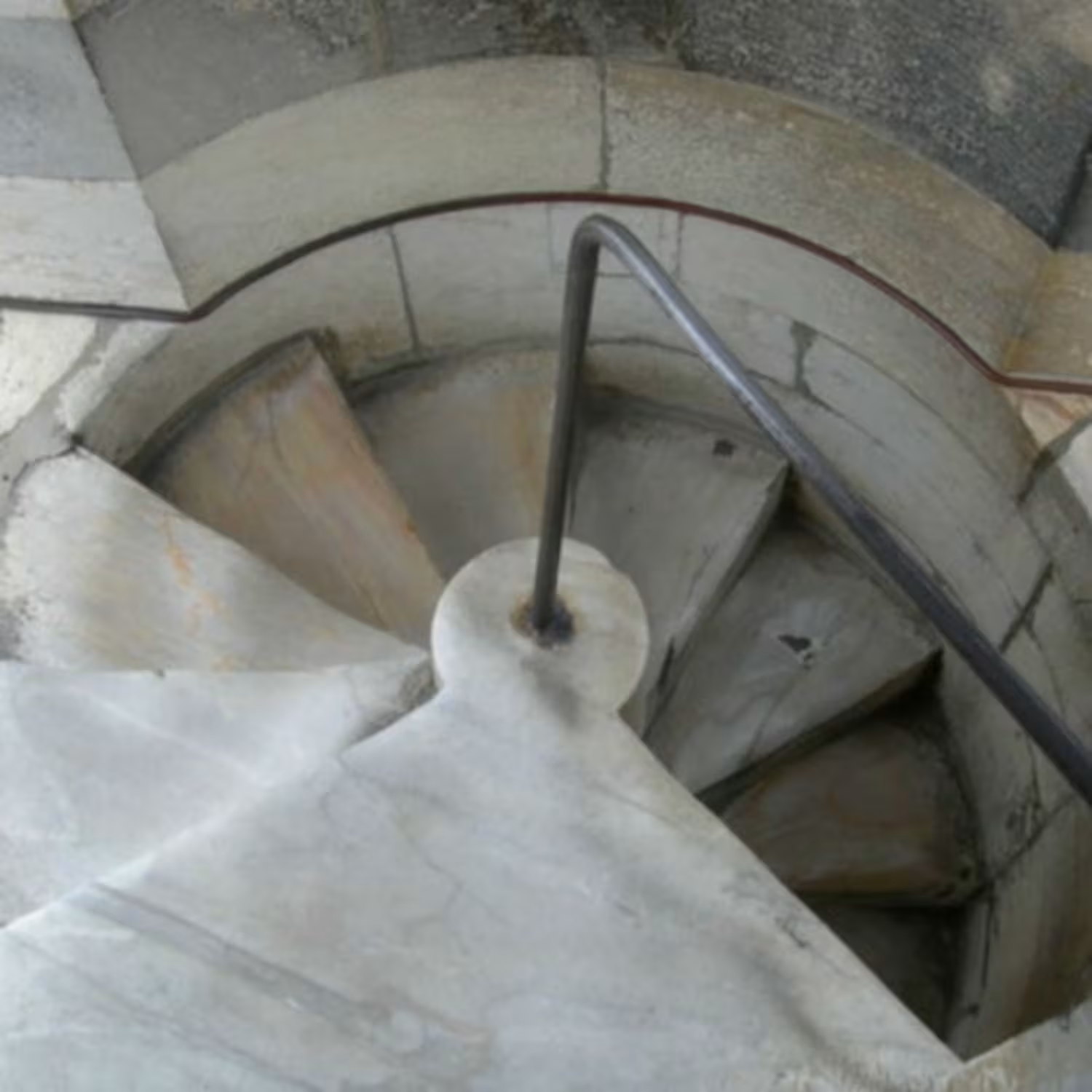
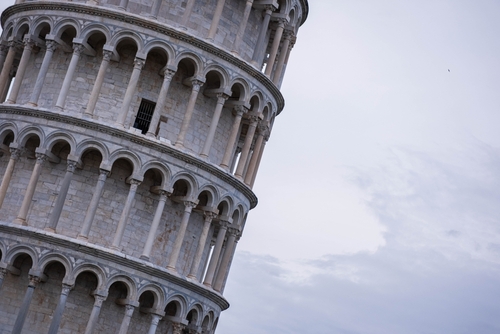
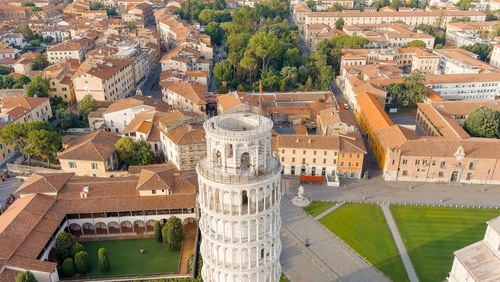
Structurally, the tower is composed of a hollow stone cylinder faced with white marble and decorated with intricate arcades and columns that mirror the facade of the Cathedral. The interior features a twin spiral staircase that leads visitors past the belfry to the highest viewing platform, nearly 56 meters above the ground. Following an extensive restoration project at the turn of the 21st century, the structure was successfully stabilized, reducing the lean from 5.5 degrees to approximately 4 degrees. Today, the tower remains an active campanile, housing seven bronze bells that are still rung for religious services, standing as a global icon of both artistic beauty and accidental engineering.

Height: 55.86 meters (low side) to 56.67 meters (high side)
Foundation Depth: 3 meters
Angle of Tilt: 3.97 degrees
Number of Steps: 251
Area of Piazza dei Miracoli: 21.9 acres
Main Material: White Marble and Limestone

Why Visit the Leaning Tower of Pisa?

Witness a unique architectural phenomenon

The tower is globally recognized for its unintended tilt, caused by an unstable foundation of soft ground and clay. Visiting in person allows you to observe how the structure has remained standing for centuries despite a four-degree lean that defies standard engineering expectations.

Experience the Piazza dei Miracoli

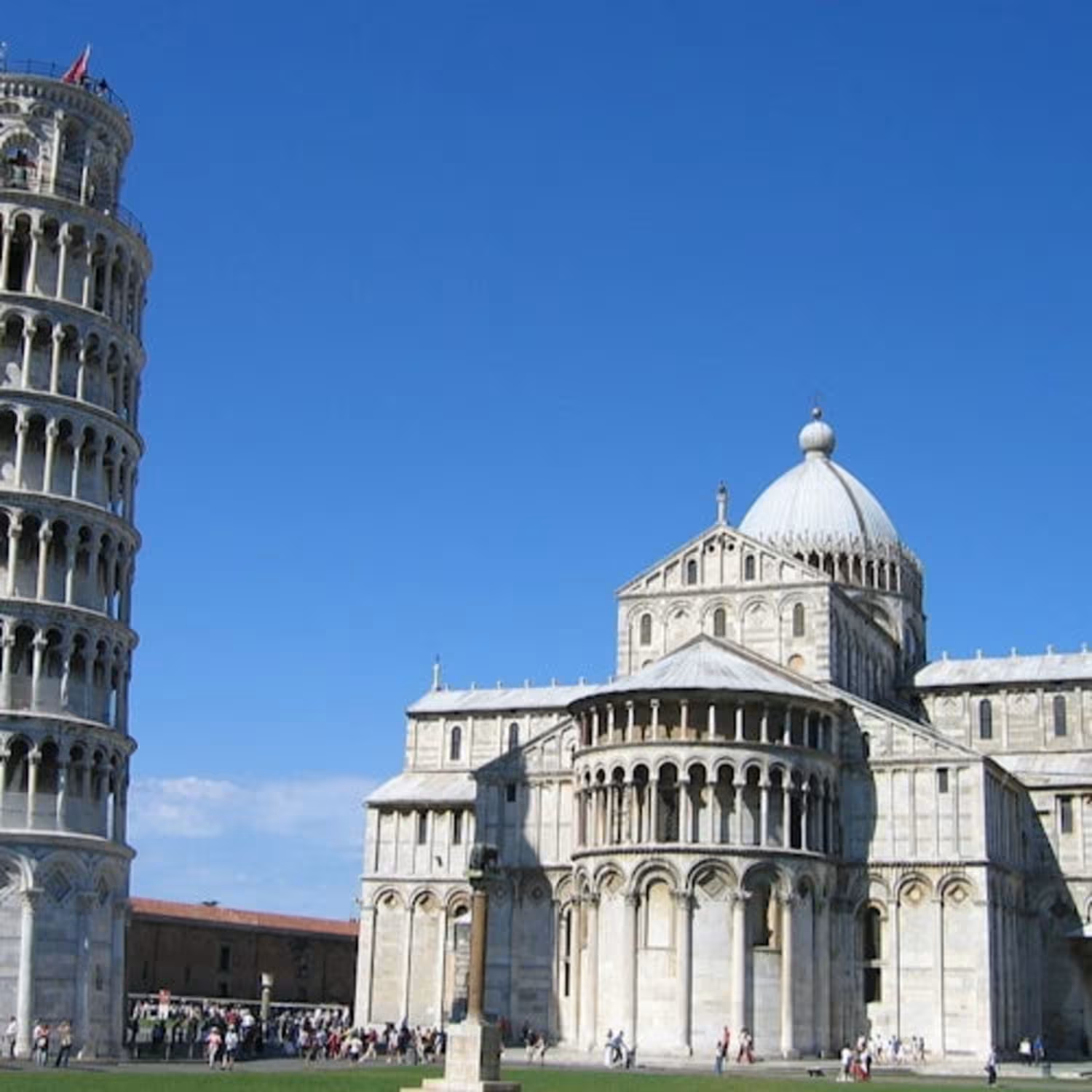
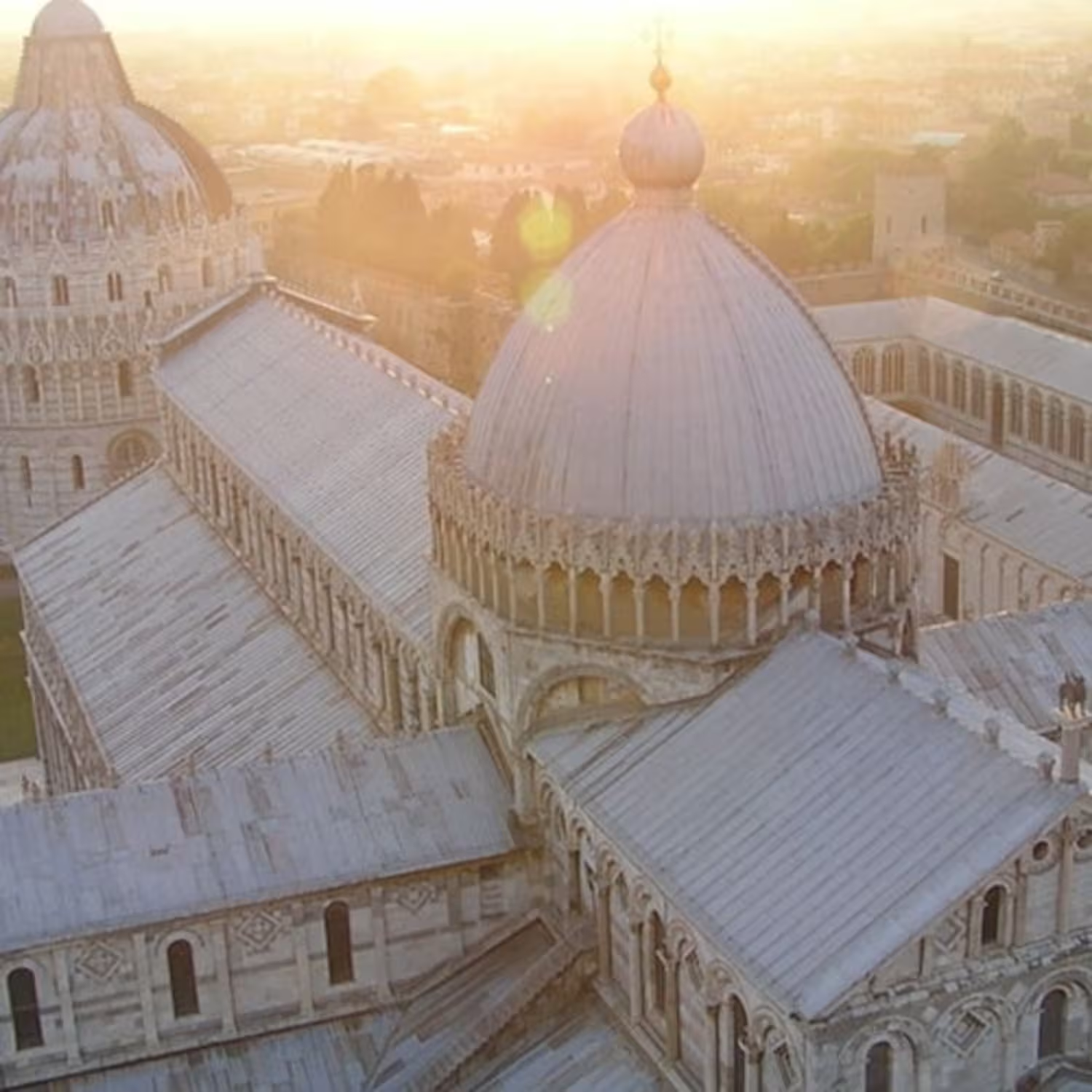
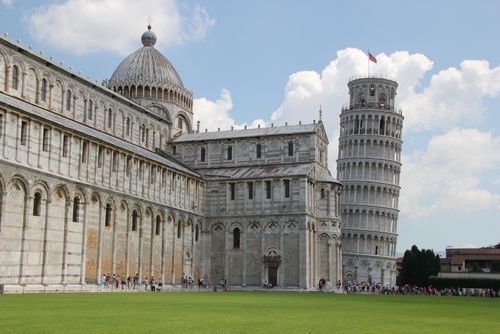
The tower serves as the bell tower for the Cathedral of Santa Maria Assunta, located within a UNESCO World Heritage site. This square hosts a concentrated collection of Romanesque masterpieces, including the Baptistery and the Camposanto, offering a comprehensive look at medieval Italian art and architecture.

Climb the historic spiral staircase

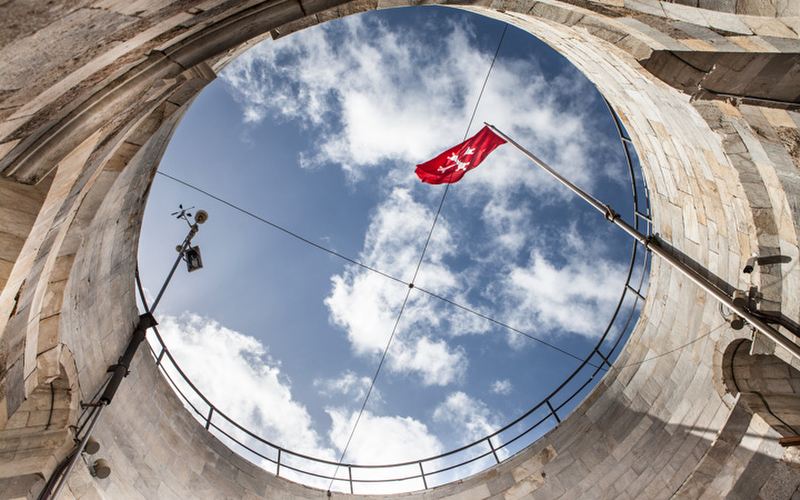
Visitors can ascend the 251 steps to the top of the tower for a physical perspective on its orientation. The climb provides a unique sensation as the tilt shifts your center of gravity, culminating in an open-air view of the city of Pisa and the surrounding Tuscan landscape.

Examine intricate Romanesque craftsmanship

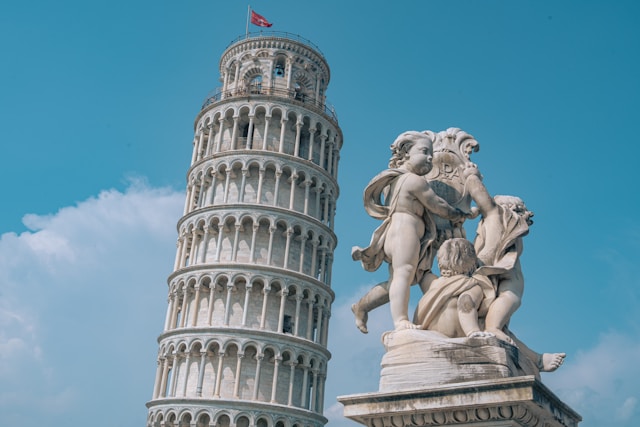
Beyond its lean, the tower is a feat of medieval masonry featuring eight tiers of white marble arches and limestone columns. The detailed carvings and blind arcades at the base represent the height of Pisan Romanesque style, which influenced building trends throughout the Mediterranean.

View the historic bells

The seventh floor houses seven bronze bells, each tuned to a different note of the musical scale. Reaching the belfry allows you to see these massive instruments up close and understand the tower's original functional purpose as a campanile for the neighboring cathedral.

Torre pendente di Pisa - Informazioni aggiuntive

Sebbene non ti sia consentito consumare pasti all’interno dei monumenti o sui prati della Piazza dei Miracoli, nelle immediate vicinanze troverai numerose opzioni che spaziano dai bar con servizio veloce alle tradizionali trattorie toscane.

Per una breve sosta, diversi locali in stile "bar" situati appena fuori dalle mura medievali servono caffè espresso, panini e dolci tipici. Sono l’ideale se hai tempi ristretti tra un ingresso e l’altro ai monumenti.

Per un pasto più formale, basta che ti allontani di qualche isolato dalla principale via turistica in direzione di Piazza Cavalieri o del fiume Arno per scoprire autentici locali tipici. Questi ristoranti servono spesso specialità regionali come la cecina (una frittella salata di ceci) o la trippa alla pisana.

Molti locali ti offrono tavoli all’aperto con vista sulle mura storiche della città, garantendoti un’atmosfera più tranquilla, lontana dalla folla più fitta della piazza.

Interesting Facts about the Leaning Tower of Pisa

The tower took approximately 199 years to complete, with construction beginning in 1173 and finishing in 1372.

The structure began to lean during the construction of the second floor because it was built on soft ground composed of clay, fine sand, and shells.

Construction was halted for nearly a century due to ongoing wars between Pisa and neighboring city-states, which inadvertently allowed the soil to settle.

The architect of the tower remains a subject of historical debate, though it is often attributed to Bonanno Pisano or Diotisalvi.

The tower stands at approximately 56 meters tall, though the height of the low side is slightly less than the height of the high side.

The walls are over four meters thick at the base, providing the necessary support for the eight-story marble structure.

There are seven bells in the belfry, with each one representing a different note of the major musical scale.

Galileo Galilei is said to have dropped two cannonballs of different masses from the tower to demonstrate his law of free fall.

During World War II, the tower was almost destroyed by American soldiers who suspected it was being used as an observation post by the German army.

The tower currently leans at an angle of nearly four degrees, which is significantly less than the 5.5 degrees it reached before restoration work in the 1990s.

Modern engineering efforts between 1990 and 2001 successfully straightened the tower by 44 centimeters to ensure its long-term stability.

The foundation is only three meters deep, which is remarkably shallow for a stone building of its weight and height.

The tower is built with an internal curve as medieval builders tried to compensate for the tilt by making the upper floors taller on one side.

The total weight of the Leaning Tower is estimated to be around 14,500 metric tons.

In 1987, the tower was declared a UNESCO World Heritage site as part of the Piazza del Duomo complex.

FAQs about the Leaning Tower of Pisa

Ti chiedi qual era lo scopo originario della Torre Pendente di Pisa?

La torre fu progettata come campanile indipendente, al servizio della vicina Cattedrale di Santa Maria Assunta.

Ti chiedi perché la torre pende?

L’inclinazione è causata da una fondazione superficiale posata su un sottosuolo soffice composto da argilla, sabbia fine e conchiglie.

Quanto tempo ci è voluto per costruire la struttura?

I lavori di costruzione si protrassero per circa 199 anni, iniziando nel 1173 e giungendo infine a compimento nel 1372.

La torre può ancora far suonare le sue campane?

La torre è ancora oggi un campanile in funzione che ospita sette campane di bronzo, che vengono suonate ancora oggi in occasione delle funzioni religiose.

Dopo tutti questi anni, è sicuro per te salire sulla torre?

I lavori di restauro su vasta scala effettuati da 1990 a 2001 hanno stabilizzato la struttura e ridotto l’inclinazione, garantendo così la sicurezza a lungo termine dei visitatori.

A quale stile architettonico appartiene la torre?

L’edificio è un esempio emblematico dell’architettura romanica pisana, caratterizzata dalla facciata in marmo bianco e dai portici a più livelli.

Puoi salire sulla torre?

Se hai meno di 8 anni, ti è severamente vietato scalare la montagna, mentre se hai un’età compresa da 8 a 18 anni devi essere accompagnato da un adulto.

Quanti gradini ci sono nella Torre Pendente?

Per raggiungere la cima dovrai salire 251 gradini di marmo stretti e irregolari.

C’è un ascensore a tua disposizione?

Ricorda che nella torre non c’è l’ascensore e l’unico modo per raggiungere il campanile è tramite la storica scala a chiocciola.

Dove puoi lasciare i bagagli prima della scalata?

Devi depositare tutte le borse e gli zaini di grandi dimensioni presso il guardaroba ufficiale gratuito situato vicino all’ingresso della torre.

Qual è il codice di abbigliamento previsto per la sede?

Per accedere alla Cattedrale e agli altri edifici religiosi, devi indossare un abbigliamento sobrio che copra sia le spalle che le ginocchia.

Quanto tempo richiede una visita alla torre?

A standard climb takes about 30 minutes, though you should budget 2 to 3 hours to explore the entire Piazza dei Miracoli.

What happens if I miss my scheduled time slot?

Entry is strictly organized by timed blocks, and late arrivals will be denied entry without a refund or exchange.

Can I reach the tower easily from the Pisa train station?

The tower is a 20 to 25-minute walk from Pisa Centrale station, or a short trip via the LAM Rossa bus line.

Questo sito web offre biglietti ufficiali per le strutture elencate, venduti da Tourism Tickets. Ti preghiamo tuttavia di notare che non si tratta del sito web ufficiale di nessuna di queste strutture.

Le immagini e i video presenti su questo sito web potrebbero contenere elementi visivi creati o migliorati tramite tecnologia di intelligenza artificiale. Ti ricordiamo che sono forniti esclusivamente a scopo illustrativo.